Hybrid Materials 2025: Characterizing Emergent Properties for Breakthroughs in Drug Development
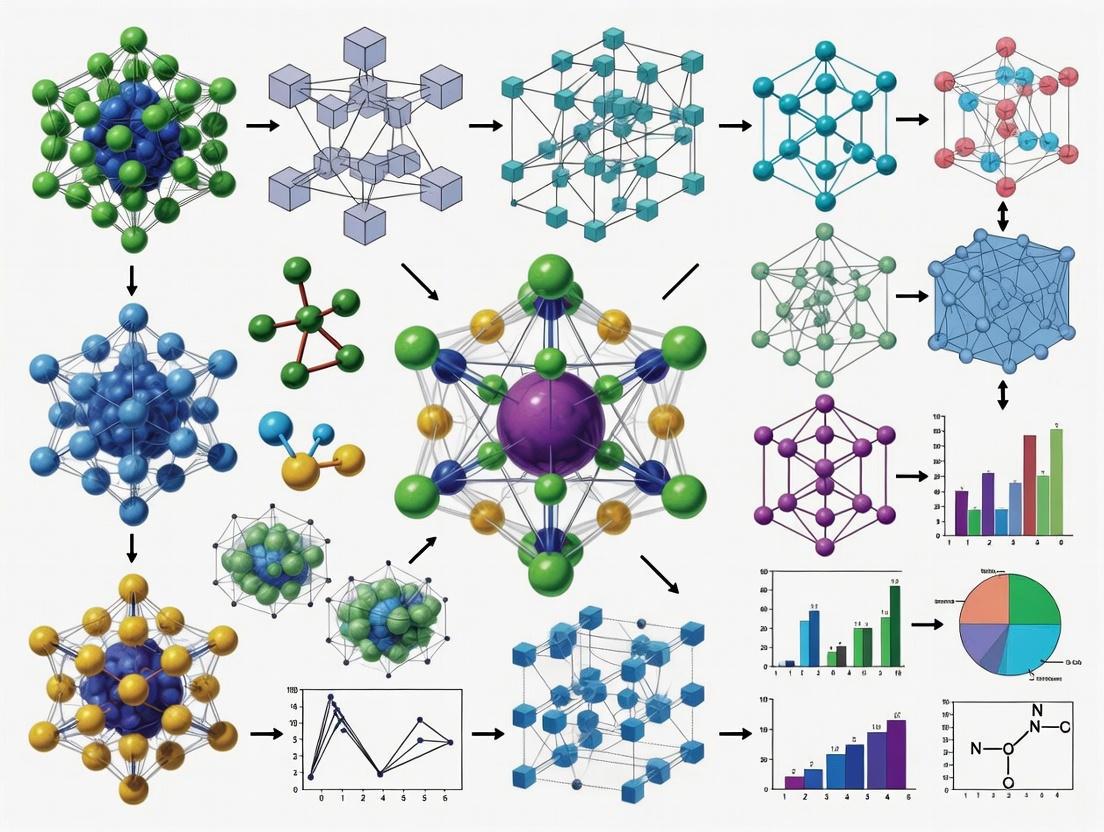
This article explores the pivotal role of hybrid materials in modern drug discovery and development, with a specific focus on characterizing their emergent properties.
Hybrid Materials 2025: Characterizing Emergent Properties for Breakthroughs in Drug Development
Abstract
This article explores the pivotal role of hybrid materials in modern drug discovery and development, with a specific focus on characterizing their emergent properties. Aimed at researchers, scientists, and drug development professionals, it provides a comprehensive analysis spanning foundational concepts, cutting-edge methodological applications, and optimization strategies. It details how the convergence of hybrid AI, quantum computing, and novel composite materials is creating a paradigm shift, enabling the precise simulation of molecular interactions, the development of advanced drug delivery systems, and the design of more effective therapeutics. The content synthesizes the latest 2025 research and real-world case studies to offer a validated, forward-looking perspective on the field.
Defining Hybrid Materials and Their Emergent Properties in a Biomedical Context
What Are Hybrid Materials? Bridging Classical and Quantum Domains for Drug Discovery
What Are Hybrid Materials? Bridging Classical and Quantum Domains for Drug Discovery
In the quest to accelerate and refine the process of drug discovery, hybrid materials have emerged as a transformative class of substances. They are fundamentally defined as systems that intricately combine organic and inorganic components at the nanometer or molecular scale, creating a new material with properties superior to those of its individual parts [1]. This synergy is particularly powerful in pharmaceutical and biomedical applications, where these materials can be engineered to exhibit tailored mechanical strength, specific bioactivity, and controlled drug release profiles. The "bridging" in the title refers to the integration of classical materials science with the burgeoning field of quantum-inspired computational design. This confluence is creating a new paradigm where the physical synthesis of advanced biomaterials is guided by quantum computing and artificial intelligence (AI), enabling researchers to explore molecular interactions and material properties with unprecedented speed and precision [2] [3].
The investigation of hybrid materials is not confined to a single methodology. It is supported by a diverse "Scientist's Toolkit" that includes experimental synthesis, advanced computational modeling, and rigorous biological evaluation. The following diagram illustrates the core logical workflow that connects the fundamental concepts of hybrid materials to their ultimate application in drug discovery.
The Scientist's Toolkit: Key Reagents and Materials for Hybrid Material Research
The development and application of hybrid materials in drug discovery rely on a specific set of reagents and analytical techniques. The table below details key components of the research toolkit, drawing from experimental protocols used in recent studies.
Table 1: Essential Research Reagent Solutions for Hybrid Material Development
| Item Name / Category | Function / Role in Research | Example from Literature |
|---|---|---|
| Transition Metal Salts | Serves as the inorganic metal center, defining coordination geometry, redox activity, and often the core bioactivity (e.g., antimicrobial, anticancer). | Nickel(II) sulfate (NiSO₄) used as the metal precursor in a novel antimicrobial hybrid complex [4]. |
| Organic Ligands / Linkers | Coordinates with the metal center to form the hybrid structure; contributes to target binding (e.g., via hydrogen bonding) and modulates properties like solubility and electronic tunability. | 3-aminomethylpyridine and similar pyridine-based ligands used for synthesizing Ni(II) and other metal complexes [4]. |
| Structuring Agents / Sol-Gel Precursors | Directs the formation of the material's architecture during synthesis (e.g., porous frameworks) and can be used to create biocompatible coatings. | Ethylenediamine (ED) in cobalt phosphate hybrids; Silicon/Zirconium alkoxides in sol-gel synthesis for bioactive glasses and carriers [5] [1]. |
| Computational Modeling Software | Enables quantum chemical studies (e.g., NBO, FMO, RDG analysis) and molecular docking simulations to predict stability, reactivity, and binding affinity before synthesis. | Used to perform Hirshfeld surface and molecular docking analyses against P. aeruginosa targets (7PTF, 7PTG), predicting superior binding over ciprofloxacin [4]. |
| Characterization Techniques | Determines the crystal structure, morphological, optical, and thermal properties of the synthesized hybrid material. | Single-crystal X-ray Diffraction (XRD), FT-IR spectroscopy, and thermal analysis (TG/DTG) [4] [5]. |
Comparative Performance: Hybrid Materials and AI-Driven Discovery Platforms
The true value of hybrid materials is demonstrated by comparing their performance against traditional approaches and among different next-generation strategies. The following tables quantify this performance across material properties and computational efficiency.
Table 2: Performance Comparison of Drug Discovery Approaches
| Discovery Approach | Key Performance Metrics | Reported Experimental Data & Results |
|---|---|---|
| Traditional Drug Discovery | Timeline: ~5 years to clinical candidate [6].Efficiency: Requires synthesis of thousands of compounds [6].Hit Rate: Low, high experimental burden. | High-throughput screening and structure-based design are resource-intensive [2]. |
| AI-Driven Discovery | Timeline: Compressed to ~2 years or less for some candidates [6].Efficiency: Up to 70% faster design cycles, requiring 10x fewer compounds synthesized [6].Hit Rate: Improved candidate selection. | Exscientia's CDK7 inhibitor candidate required only 136 synthesized compounds [6]. Model Medicines' GALILEO platform achieved a 100% hit rate (12/12 compounds) in validated in vitro antiviral assays [2]. |
| Quantum-Enhanced AI (Hybrid Approach) | Timeline: Projected to be highly accelerated.Efficiency: 21.5% improvement in filtering non-viable molecules vs. AI-only models [2].Hit Rate: Capable of identifying active compounds for difficult targets. | Insilico Medicine's quantum-classical pipeline screened 100 million molecules, leading to 15 synthesized compounds and 2 with real biological activity against the difficult KRAS-G12D cancer target [2]. |
Table 3: Experimental Bioactivity of a Novel Nickel(II) Hybrid Material
| Assay Type | Test Details & Targets | Results & Comparative Performance |
|---|---|---|
| Antimicrobial Activity | Tested against Gram-positive and Gram-negative bacteria. | The Ni(II)-3AMP complex "notably outperformed ciprofloxacin" against pathogens like Pseudomonas aeruginosa and E. coli [4]. |
| Molecular Docking | Simulated binding against P. aeruginosa DNA gyrase targets (7PTF & 7PTG). | Showed "superior binding affinity... compared to ciprofloxacin," with highly favorable docking scores and multiple hydrogen bonds indicating stable interactions [4]. |
| Antioxidant Activity | Evaluated via ABTS and DPPH assays. | Demonstrated "higher efficacy... in ABTS compared to DPPH assays" [4]. |
Experimental Protocols: Methodologies for Synthesis and Analysis
Protocol 1: Synthesis of a Nickel(II)-Based Hybrid Complex
This protocol outlines the synthesis of a novel Ni(II) hybrid material with documented antimicrobial efficacy [4].
- Key Reagents: 3-aminomethylpyridine (organic ligand), Nickel(II) sulfate (
NiSO₄), concentrated sulfuric acid (H₂SO₄), distilled water. - Procedure:
- Dissolve Nickel(II) sulfate (23.21 mg, 0.15 mmol) in water.
- Add this solution to a separate aqueous solution of 3-aminomethylpyridine (32.44 mg, 0.3 mmol).
- Add four drops of concentrated sulfuric acid (96%) to the mixture to create an acidic environment.
- Leave the solution under constant stirring for 15 minutes.
- Allow the mixture to stand undisturbed at room temperature for two weeks, during which light blue prismatic crystals of the hybrid complex form.
- Characterization Methods: The resulting crystals were characterized using Single-crystal X-ray Diffraction (XRD) to determine crystal structure, FT-IR spectroscopy to confirm chemical bonds, and thermal analysis (TG/DTG) to assess stability [4].
Protocol 2: Workflow for an AI-Driven & Quantum-Enhanced Discovery Pipeline
This protocol describes a computational hybrid approach, combining AI and quantum methods for in silico drug candidate screening [2].
- Key Tools: Quantum Circuit Born Machines (QCBMs) for molecular generation, deep learning models for screening and optimization.
- Procedure:
- Molecular Generation: Use a quantum-enhanced generator (QCBM) to create a vast and diverse virtual library of molecular structures.
- Initial Screening: Apply deep learning models to screen this massive library (e.g., 100 million molecules) based on predicted properties like binding affinity and solubility.
- Lead Refinement: Narrow down the list to a smaller set of candidates (e.g., 1.1 million) for more detailed classical computational analysis.
- Final Selection & Synthesis: Select the most promising candidates (e.g., 15 compounds) for chemical synthesis and subsequent in vitro biological testing.
- Output: The result is a shortlist of synthesized compounds with a high probability of biological activity, as demonstrated by the identification of a molecule with binding affinity to the challenging KRAS-G12D cancer target [2].
The workflow below synthesizes the core components of the research toolkit and the experimental protocols into a single, integrated discovery pipeline, from conceptualization to final application.
The exploration of hybrid materials represents a fundamental shift in the approach to drug discovery. By strategically combining organic and inorganic components, and further bridging the physical and digital realms through AI and quantum computing, scientists are creating a powerful new paradigm. The experimental data clearly shows that these approaches—whether manifesting as a novel Ni(II) complex with superior antimicrobial activity or an AI-generated small molecule—can outperform traditional methods in efficiency, success rate, and the ability to tackle previously "undruggable" targets. The future of the field lies in the deeper integration of these hybrid strategies, where iterative cycles of computational prediction and experimental validation will continue to accelerate the development of life-saving therapeutics.
Emergent properties represent a fundamental paradigm in materials science, where complex systems exhibit novel functionalities that are not simply the sum of their individual components' properties. In hybrid materials, this phenomenon arises from the intricate, often non-linear, interactions between chemically distinct organic and inorganic phases across multiple length scales. This guide compares the emergent properties and characterization data for three classes of hybrid materials, providing researchers and drug development professionals with a structured analysis of their performance relative to conventional alternatives.
Defining Emergence in Hybrid Material Systems
In condensed matter, complexity arises from emergent behaviors that cannot be understood by analyzing individual constituents in isolation. [7] These behaviors are the product of a material's multiscale organization, where hierarchical architectures and nonlinear interactions span from molecular to macroscopic domains. [7] The challenge and opportunity lie in characterizing these architectures to understand and engineer their emergent functions, which underpin the behavior of next-generation functional materials and adaptive technologies. [7]
In hybrid organic-inorganic materials, this synergy is particularly potent. These materials combine the distinct characteristics of different components, preserving their individual attributes while giving rise to emergent behaviors from their synergistic interactions. [8] [9] For instance, a purely inorganic polyoxometalate (POM) may possess catalytic activity, but when covalently bonded to a biomolecule, the resulting hybrid can exhibit entirely new properties such as enhanced biocompatibility, lower off-target toxicity, and novel bioactivity, paving the way for advanced therapeutic applications. [8]
Comparative Analysis of Emerging Hybrid Materials
The following section provides a data-driven comparison of three hybrid material systems where emergent properties are prominently displayed.
Table 1: Performance Comparison of Hybrid Materials with Conventional Counterparts
| Material System | Key Components | Synthesis Method | Emergent Property | Quantitative Performance Data | Primary Application |
|---|---|---|---|---|---|
| Rare Earth-HOF (REHM-HOF) [10] | Rare Earth Ions, Hydrogen-Bonded Organic Framework | Post-synthetic modification (Coordination & Ion Exchange) | Luminescence Response Sensing | High energy transfer efficiency via "antenna effect"; Tunable emission. [10] | Anti-counterfeiting, Chemical Sensing, Intelligent Detection |
| Glaphene [11] | Graphene, Silica Glass | Two-step, single-reaction chemical vapor deposition | Novel Semiconducting Behavior | Metallic (graphene) & insulating (silica) components form a semiconductor. [11] | Advanced Electronics, Photonics, Quantum Systems |
| POM-Biomolecule Hybrid [8] | Polyoxometalate (e.g., Lindqvist, Keggin), Biomolecule | Covalent post-functionalization (e.g., on AE-NH2 POM) | Enhanced Biocompatibility & Catalytic Activity | Lower off-target toxicity; Multi-electron transfer catalysis. [8] | Drug Delivery, Targeted Therapies, Bio-catalysis |
| Selenium-Based Hybrid [9] | Selenium Dibromide (SeBr₂), Cetyltrimethylammonium | Slow Evaporation at Room Temperature | Semiconducting & Enhanced Dielectric Properties | Optical Band Gap: ~3.30 eV; Phase transition at ~417 K. [9] | Advanced Electronic, Energy Storage, Dielectric Devices |
Table 2: Analysis of Advantages and Limitations
| Material System | Key Advantages | Current Limitations & Characterization Challenges |
|---|---|---|
| Rare Earth-HOF (REHM-HOF) [10] | Mild synthesis; Structural diversity; Precise anchoring of luminescent centers. [10] | Long-term stability; Multifunctional integration; Translation to real-world applications. [10] |
| Glaphene [11] | Atomically thin; New electronic properties from hybrid bonding; Beyond stacked 2D materials. [11] | Complex synthesis requiring custom high-temperature, low-pressure apparatus. [11] |
| POM-Biomolecule Hybrid [8] | Atomically precise; Tunable properties; Combines POM reactivity with biomolecule specificity. [8] | Understanding bio-interface; Long-term stability in biological environments. [8] |
| Selenium-Based Hybrid [9] | Straightforward synthesis; Stable framework; Tailorable electrical properties. [9] | Understanding charge transport mechanisms; Probing structure-property relationships at the atomic scale. [9] |
Experimental Protocols for Characterizing Emergent Properties
Protocol: Probing Emergent Luminescence in REHM-HOFs
The functionalization of Hydrogen-Bonded Organic Frameworks (HOFs) with rare-earth ions enables luminescence response sensing via the "antenna effect."
- Material Synthesis: Construct the HOF scaffold under mild synthesis conditions. Subsequently, introduce rare-earth ions (e.g., Eu³⁺, Tb³⁺) into the framework using post-synthetic modification strategies, primarily via coordination or ion exchange. [10]
- Energy Transfer Tuning: Optimize the energy transfer efficiency from the HOF "antenna" to the rare-earth ion luminescent centers. This step is crucial for enhancing the luminescence output and is a direct result of the synergistic interaction between the components. [10]
- Luminescence Spectroscopy: Characterize the emergent luminescent properties using photoluminescence spectroscopy. Measure the emission intensity, lifetime, and quantum yield.
- Sensor Testing: Expose the REHM-HOF to target analytes (chemical vapors, ions, or physical stimuli like temperature). Monitor the changes in the luminescence signal (e.g., intensity, wavelength shift, or lifetime) as the emergent responsive behavior. [10]
Protocol: Verifying Emergent Electronic Properties in Glaphene
This protocol confirms the formation of a true hybrid 2D material with emergent semiconducting properties, verified against quantum simulations.
- Chemical Synthesis: Employ a two-step, single-reaction method. Use a liquid chemical precursor containing both silicon and carbon. Under low-pressure conditions, first grow graphene by tuning oxygen levels during heating, then shift conditions to favor the formation of a chemically bonded silica layer. [11]
- Structural Verification: Use techniques like transmission electron microscopy (TEM) and X-ray diffraction (XRD) to confirm the single, atom-thick compound structure and verify the unique interface bonding between graphene and silica. [11]
- Electronic Property Measurement: Use techniques like spectroscopic ellipsometry to determine the optical band gap, confirming a transition from a metal (graphene) and an insulator (silica) to a semiconductor (glaphene).
- Theoretical Validation: Conduct quantum mechanical simulations to model the hybrid system. Compare the simulated electronic structure and collective vibrations with experimental results to confirm the emergence of new properties not present in the individual parent materials. [11]
The following workflow diagram illustrates the integrated experimental and computational approach for verifying emergent properties in a hybrid material like glaphene.
Protocol: Assessing Emergent Bioactivity in POM-Biomolecule Hybrids
This protocol evaluates the enhanced functionality and biocompatibility emerging from the covalent linkage of a POM to a biomolecule.
- Hybrid Synthesis: Select an amino-functionalized POM platform, such as (AE-NH₂). Covalently conjugate the biomolecule (e.g., a peptide, antibiotic, or sugar) to the POM cluster via post-functionalization, using coupling agents to form stable amide or other bonds. [8]
- Structural Confirmation: Use nuclear magnetic resonance (NMR) and mass spectrometry to verify the successful formation of the conjugate and its molecular structure.
- Bioactivity Assay: Test the hybrid's biological activity (e.g., antitumor or antibacterial efficacy) in vitro and compare it to the unconjugated POM. The emergent property is often a different or enhanced activity profile. [8]
- Biocompatibility Assessment: Evaluate cytotoxicity against healthy human cell lines. The emergent property here is often significantly reduced off-target toxicity compared to the parent POM, a critical factor for clinical potential. [8]
The Scientist's Toolkit: Essential Research Reagents & Materials
Table 3: Key Reagents and Materials for Hybrid Materials Research
| Item / Reagent | Function & Role in Emergent Behavior |
|---|---|
| Rare Earth Salts (e.g., EuCl₃, TbCl₃) [10] | Serves as the luminescent center in REHM-HOFs. Interaction with the HOF "antenna" enables emergent luminescence sensing. |
| HOF Organic Linkers (e.g., carboxylic acid derivatives) [10] | Forms the crystalline, porous scaffold. Its structure dictates the assembly and enables post-synthetic modification with rare-earth ions. |
| Polyoxometalate (POM) Platforms (e.g., AE-NH₂) [8] | Acts as the tunable inorganic building block. Covalent attachment of biomolecules leads to emergent biocompatibility and bioactivity. |
| 2D Material Precursors (e.g., Si/C precursor for glaphene) [11] | Enables the bottom-up synthesis of novel 2D hybrids. The chemical merger of different classes of materials (metal/insulator) creates emergent electronic properties. |
| Cetyltrimethylammonium Bromide (CTAB) [9] | Acts as an organic surfactant and structure-directing agent in selenium-based hybrids, guiding self-assembly and influencing dielectric properties. |
| Selenium Dibromide (SeBr₂) [9] | Provides the inorganic component with distinctive electronic properties. Its integration into a hybrid organic framework leads to emergent semiconducting and dielectric behavior. |
The study of emergent properties in hybrid materials is moving from observation to rational design. As characterization techniques like multimodal mapping and machine learning models improve, they bridge the gap between multiscale structure and function. [7] This progress enables the targeted engineering of hybrid materials, such as REHM-HOFs for advanced sensing or POM-biomolecule conjugates for precision therapy, where the whole is definitively greater than the sum of its parts. The future of the field lies in leveraging these insights to solve complex challenges in electronics, medicine, and energy.
The field of materials science is undergoing a profound transformation, driven by the convergence of novel material classes and advanced characterization technologies. Research into hybrid materials now focuses significantly on understanding and leveraging their emergent properties—complex behaviors that arise from the interaction of components rather than from the components themselves. This guide provides a comparative analysis of two pivotal classes at the forefront of this research: Hybrid AI-Quantum systems and Sustainable Bio-Nanocomposites.
The characterization of these materials demands sophisticated methodologies that bridge computational prediction and experimental validation. As researchers and drug development professionals well know, the accurate measurement of emergent phenomena—such as quantum coherence in superconducting materials or the controlled release of antimicrobials from nanocomposite films—is critical for translating fundamental research into practical applications. This guide objectively compares the performance, experimental protocols, and research tools essential for advancing the field of hybrid materials.
Performance Comparison of Key Material Classes
The following tables synthesize quantitative data and key characteristics for the two focal material classes, providing a basis for objective comparison.
Table 1: Performance and Characteristics of Hybrid AI-Quantum Material Systems
| Performance Metric | Hybrid AI-Quantum Systems | Key Experimental Findings |
|---|---|---|
| Quantum Advantage | Completed benchmark calculation in ~5 minutes vs. 10^25 years for classical supercomputer [12] | Google's Willow chip (105 qubits) demonstrated exponential error reduction [12] |
| Error Correction | Error rates reduced to record lows of 0.000015% per operation [12] | Algorithmic fault tolerance techniques reduced error correction overhead by up to 100x [12] |
| Qubit Performance | 105 physical qubits (Google Willow); 200 logical qubits targeted (IBM Quantum Starling, 2029) [12] | Microsoft Majorana 1 topological architecture demonstrated inherent stability [12] |
| Material Simulation | 12% performance improvement over classical HPC in medical device simulation [12] | IonQ 36-qubit computer outperformed classical methods [12] |
| Application Speed | Quantum Echoes algorithm ran 13,000x faster than classical supercomputers [12] | Out-of-order time correlator algorithm demonstrated verifiable quantum advantage [12] |
Table 2: Performance and Characteristics of Sustainable Bio-Nanocomposites
| Performance Metric | Sustainable Bio-Nanocomposites | Key Experimental Findings |
|---|---|---|
| Antimicrobial Efficacy | CuO-based active films significantly reduced total viable bacterial counts, Gram-negative pathogens, and fungi [13] | Nano-Ag, ZnO, and CuO integrated into films disrupt cell membranes via reactive oxygen species [13] |
| Barrier Properties | Nanomaterials enhanced mechanical strength and barrier efficiency against oxygen and moisture [13] | Nano-clays used as oxygen scavengers delay oxidation-related spoilage [13] |
| Sensing Capability | pH-sensitive films with anthocyanins showed visible color changes as spoilage progressed [13] | Carbon nanotubes and metal oxide nanowires detected gases like ammonia and ethylene [13] |
| Shelf-life Extension | Active packaging with natural extracts (clove, cinnamon, rosemary oil) delayed microbial growth [13] | Multifunctional nano-packaging materials delivered active compounds (zerumbone, turmeric oil) [13] |
| Biodegradability | Integration with biodegradable matrices (chitosan, gelatin, alginate) supports circular economy [13] | Bio-based smart packaging made from renewable, biodegradable materials [13] |
Table 3: Cross-Domain Comparison of Research Maturity and Application Potential
| Characteristic | Hybrid AI-Quantum Systems | Sustainable Bio-Nanocomposites |
|---|---|---|
| Technology Readiness | Early R&D with rapid prototyping (AI-driven); limited to specialized labs [14] [12] | Advanced development with some commercial applications [13] |
| Primary Research Focus | Error correction, qubit stability, quantum advantage demonstration [15] [12] | Functional enhancement, safety validation, scalability [13] |
| Characterization Complexity | Extreme (requires ultra-low temp, coherence time measurement) [12] | Moderate (requires migration testing, toxicity assessment) [13] |
| Commercial Potential | $72B by 2035 (quantum computing forecast) [15] | Addressing $1.2B quantum communication market (2024) [15] |
| Key Limitation | Quantum resource requirements and coherence times [12] | Potential nanomaterial migration and environmental impact [13] |
Experimental Protocols for Characterizing Emergent Properties
Protocol for AI-Driven Fabrication of Quantum Materials
The AI-driven molecular-beam epitaxy (MBE) protocol represents a groundbreaking approach to creating delicate quantum materials like high-temperature iron selenide superconductors, which traditionally require exceptional craftsmanship [14].
Methodology Overview:
- Reinforcement Learning Framework: Unlike supervised learning, the AI uses a reward-maximizing model that filters better superconductors from lower-performing ones, using optimal results to iteratively improve its fabrication strategy without needing extensive pre-labeled datasets [14].
- Real-Time Adaptive Adjustment: The AI robot analyzes diffraction patterns during the atomic-layer deposition process, making instant adjustments to growth conditions that would typically require years of human experience to master [14].
- Iterative Material Optimization: The system focuses on finding which materials work best rather than comparing to a predetermined ideal, allowing it to discover novel fabrication approaches and potentially new quantum material phases [14].
Validation Measures:
- Successful fabrication of atomically thin superconducting quantum materials extending to wafer scales [14].
- Comparison of superconducting properties against materials produced by expert researchers (fewer than 10 groups globally successfully fabricate these materials) [14].
Protocol for Testing Bio-Nanocomposite Functional Performance
The characterization of sustainable bio-nanocomposites for smart food packaging focuses on measuring their active and intelligent functionalities, which emerge from the integration of nanomaterials with biodegradable matrices [13].
Methodology Overview:
- Active Functionality Assessment:
- Antimicrobial Testing: Measure reduction in total viable bacterial counts (e.g., Gram-negative pathogens) and spoilage fungi after exposure to nano-enabled films (e.g., containing CuO, nano-Ag, ZnO) [13].
- Barrier Performance Testing: Quantify oxygen transmission rates through nano-clay incorporated films to evaluate antioxidant preservation efficacy [13].
- Controlled Release Measurement: Monitor the release kinetics of active compounds (e.g., zerumbone, turmeric oil) from natural polymer-based films to inhibit oxidation [13].
- Intelligent Functionality Assessment:
- Freshness Sensing Validation: Expose pH-sensitive films (e.g., incorporating red cabbage anthocyanins) to spoilage metabolites and document visible color changes using standardized colorimetric scales [13].
- Gas Detection Sensitivity: Test carbon nanotube-based sensors against target volatile organic compounds (VOCs) like ammonia and ethylene to determine detection thresholds and response times [13].
- Traceability Performance: Evaluate RFID and NFC integration for temperature history monitoring and supply chain transparency throughout simulated distribution cycles [13].
Validation Measures:
- Documentation of shelf-life extension for perishable products (e.g., meats, seafood, fruits) compared to conventional packaging [13].
- Migration studies and lifecycle analyses to ensure consumer safety and regulatory compliance for nano-enabled materials [13].
The Scientist's Toolkit: Essential Research Reagent Solutions
Table 4: Essential Research Reagents and Materials for Hybrid Materials Research
| Research Reagent/Material | Function in Research | Application Context |
|---|---|---|
| Molecular-Beam Epitaxy (MBE) System | Precise atomic-layer deposition of quantum materials [14] | Fabrication of iron selenide superconductors [14] |
| Reinforcement Learning AI Platform | Self-optimization of material fabrication parameters without extensive labeled data [14] | Autonomous discovery of optimal quantum material growth conditions [14] |
| Quantum Chemistry Toolkits | Simulation of molecular behavior at subatomic level for material property prediction [16] | SandboxAQ's platform for battery material discovery [16] |
| Metal/Metal Oxide Nanoparticles (Ag, ZnO, CuO) | Provide antimicrobial activity through reactive oxygen species generation [13] | Active food packaging films for shelf-life extension [13] |
| Natural Polymer Matrices (Chitosan, Gelatin, Alginate) | Biodegradable substrates for nanomaterial integration [13] | Sustainable packaging with embedded sensing capabilities [13] |
| pH-Sensitive Anthocyanins | Visual freshness indicators through color change response to spoilage metabolites [13] | Intelligent packaging for real-time quality monitoring [13] |
| Carbon Nanotubes & Quantum Dots | High-sensitivity detection of gases and contaminants via electrical or optical signal changes [13] | Sensors for volatile organic compounds in intelligent packaging [13] |
| Graph Neural Networks (GNNs) | Prediction of complex material behavior like battery degradation from time-series data [16] | Performance forecasting for energy storage materials [16] |
The comparative analysis of Hybrid AI-Quantum Systems and Sustainable Bio-Nanocomposites reveals distinct yet complementary research trajectories. Quantum material systems demonstrate transformative potential for computational supremacy and complex material simulation but face significant characterization challenges related to error correction and stability. Conversely, bio-nanocomposites offer immediately applicable solutions for sustainability and smart functionality, with research priorities centered on safety validation and scalable manufacturing.
For researchers and drug development professionals, the convergence of these fields presents compelling opportunities. AI-quantum systems may eventually revolutionize molecular simulation for drug discovery, while bio-nanocomposites offer novel platforms for drug delivery and biomedical devices. The continued characterization of emergent properties in both material classes will undoubtedly yield unexpected discoveries and applications, driving the next generation of materials science innovation.
The pharmaceutical industry has reached a definitive inflection point in 2025, marked by the strategic integration of hybrid approaches that blend physical and computational research methodologies. This transformation is driven by mounting pressures including escalating research and development costs, declining R&D productivity, and unprecedented patent cliffs putting $236 billion in sales at risk by 2030 [17]. Simultaneously, technological advancements in artificial intelligence, quantum computing, and data analytics have matured to a point where they can deliver tangible value across the drug development pipeline.
Hybrid approaches no longer represent speculative future concepts but have become established, value-driving strategies. According to Deloitte's 2025 survey of biopharma R&D executives, 53% reported increased laboratory throughput and 45% saw reduced human error as direct results of digital modernization efforts [17]. The industry is witnessing a fundamental shift from siloed, sequential research to integrated, predictive environments where wet and dry lab insights continuously inform one another, creating an accelerated innovation cycle that is revolutionizing traditional pharmaceutical R&D models.
Quantitative Impact: Measuring the Hybrid Advantage
The transformative impact of hybrid R&D approaches is quantifiable across critical performance indicators. The following comparative analysis illustrates how integrated methodologies are enhancing productivity and output compared to traditional models.
Table 1: Performance Metrics Comparison Between Traditional and Hybrid R&D Approaches
| Performance Indicator | Traditional R&D | Hybrid R&D Approach | Data Source |
|---|---|---|---|
| Preclinical Timeline Reduction | Baseline | 25-50% reduction | World Economic Forum [18] |
| New Drug Discovery Influence | Not applicable | 30% of new drugs discovered using AI | World Economic Forum [18] |
| Clinical Trial Recruitment | 85% fail to recruit on time | 59% increase in hybrid trial adoption | Within3 [19] |
| Lab Throughput Improvement | Baseline | 53% of organizations report increase | Deloitte [17] |
| Human Error Reduction | Baseline | 45% of organizations report reduction | Deloitte [17] |
| Therapy Discovery Pace | Baseline | 27% report faster discovery | Deloitte [17] |
Table 2: Financial and Strategic Impact of Hybrid R&D Modernization
| Impact Category | Current Hybrid Performance | Future Projection | Source |
|---|---|---|---|
| Projected Pipeline Value | $197B in new modalities (60% of total) | Accelerated growth | BCG [20] |
| R&D IT Cost Savings | Up to 30% freed for reinvestment | Enables AI/automation scaling | McKinsey [21] |
| Lab Digitalization ROI | 37% track quantitative metrics | 80% sustaining/increasing investment | Deloitte [17] |
| AI Value Potential | Early implementation | $53B annual value across R&D chain | McKinsey [21] |
The data demonstrates that hybrid approaches are delivering substantial operational and financial benefits. Beyond these metrics, hybrid strategies are enhancing probability of technical success and improving portfolio decision-making by providing richer data sets and predictive capabilities [21]. Companies that have implemented integrated tech stacks report faster cycle times from drug discovery to market launch, with AI-driven tools accelerating molecule design and clinical development processes [21].
Core Hybrid Methodologies: Experimental Protocols and Workflows
Integrated Biological and Digital Target Identification
Objective: To identify and validate novel therapeutic targets by combining multi-omics data with AI-powered computational analysis.
Experimental Protocol:
- Multi-omics Data Collection: Generate transcriptomic, proteomic, and metabolomic profiles from patient-derived samples (e.g., tissues, biofluids) representing both disease and healthy states [17].
- Data Product Curation: Convert raw omics data into standardized research data products using FAIR principles (Findable, Accessible, Interoperable, Reusable) [17]. Apply structured ontologies for semantic consistency across datasets.
- Quantum-Enhanced Simulation: Employ quantum computing systems to model protein folding dynamics and binding site accessibility, with particular value for orphan proteins with limited experimental data [22].
- AI-Powered Target Prioritization: Implement ensemble machine learning models that integrate:
- Genetic association signals from genome-wide association studies (GWAS)
- Expression quantitative trait loci (eQTL) data
- Protein-protein interaction networks
- Literature-derived knowledge graphs
- Experimental Validation: Confirm computational predictions using CRISPR-based functional genomics in relevant cellular models, measuring impact on disease-relevant phenotypes.
Figure 1: Hybrid Target Identification Workflow
AI-Guided Molecular Design with Experimental Validation
Objective: To accelerate the design and optimization of therapeutic candidates with desired properties using hybrid computational-experimental approaches.
Experimental Protocol:
- Generative Molecular Design: Utilize generative AI models trained on chemical structures and biological activity data to propose novel molecular entities with predicted target engagement [23].
- In Silico Property Prediction: Employ both classical force fields and emerging quantum computational methods to predict key drug properties including:
- Binding affinity and specificity
- Pharmacokinetic parameters
- Toxicity and off-target effects [22]
- Automated Synthesis and Screening: Integrate computational outputs with automated laboratory systems for compound synthesis and high-throughput screening [17].
- Data Feedback Loop: Establish a closed-loop system where experimental results continuously refine and improve computational models through iterative learning [17].
- Lead Optimization: Use structure-activity relationship (SAR) data from both simulations and experiments to guide compound optimization with reduced cycle times [22].
Table 3: Research Reagent Solutions for Hybrid Molecular Design
| Reagent/Technology | Function in Hybrid Workflow | Application Context |
|---|---|---|
| Quantum Processing Units | Enable precise molecular simulation at quantum level | Electronic structure calculation for small molecules & proteins [22] |
| Generative AI Platforms | Create novel molecular structures with optimized properties | De novo drug design beyond chemical space of training data [23] |
| Automated Synthesis Instruments | Physically produce computationally designed compounds | High-throughput analog synthesis for SAR exploration [17] |
| Multi-parameter Screening Assays | Provide experimental validation of predicted properties | Measure binding, functional activity, and early toxicity signals [17] |
| Electronic Lab Notebooks | Capture structured data for model refinement | Create FAIR data products for continuous AI training [21] |
Hybrid Clinical Trial Implementation
Objective: To enhance clinical trial efficiency, patient diversity, and data richness by combining traditional and decentralized elements.
Experimental Protocol:
- Digital Patient Recruitment: Implement AI-driven protocol optimization to address recruitment challenges, using predictive analytics to identify ideal trial sites and patient populations [24].
- Mixed Data Collection Framework:
- Traditional site-based assessments for complex measurements
- Remote patient monitoring through wearable sensors and mobile health technologies
- Patient-reported outcomes collected via digital platforms [19]
- Real-World Evidence Integration: Incorporate real-world data from electronic health records, claims data, and patient registries to augment clinical trial findings and provide comparative effectiveness context [24].
- Adaptive Design Enablement: Utilize continuous data flow to inform potential trial modifications through adaptive design elements, optimizing trial parameters based on accumulating evidence [24].
- Patient-Centric Engagement: Deploy digital engagement tools to improve retention, with hybrid models balancing the convenience of remote participation with the value of selective in-person interactions [19].
Figure 2: Hybrid Clinical Trial Framework
Technological Infrastructure: The Hybrid R&D Stack
The successful implementation of hybrid R&D requires a sophisticated technological infrastructure that seamlessly connects computational and physical research environments. Modern pharma R&D organizations are building what McKinsey describes as a "next-generation technology stack" with four integrated layers [21]:
- Infrastructure Layer: Cloud-based resources providing scalability, security, and computational power for demanding AI and simulation workloads [21].
- Data Layer: Centralized data management systems that adhere to FAIR principles, enabling the integration and curation of diverse data types from clinical, omics, and real-world sources [21].
- Application Layer: Core systems including electronic data capture (EDC), clinical data management systems (CDMS), and electronic lab notebooks that operationalize research workflows [21].
- Analytics Layer: AI and machine learning tools that generate insights from integrated data, supporting decision-making from discovery through development [21].
This modular architecture enables organizations to maintain flexibility while maximizing existing resources. Leading companies are leveraging this infrastructure to achieve what Deloitte identifies as a "predictive lab environment" where AI, digital twins, and automation work together to guide scientific decisions [17]. In these advanced implementations, insights from physical experiments and in silico simulations inform each other in real time, significantly shortening experimental cycles by minimizing trial and error.
Emerging Frontiers: Quantum Computing and Novel Modalities
The hybrid approach is extending into frontier technologies that promise to further transform pharmaceutical R&D. Quantum computing represents a particularly promising frontier, with McKinsey estimating $200-500 billion in potential value creation for the life sciences industry by 2035 [22]. Unlike classical computing, quantum systems perform first-principles calculations based on quantum physics, enabling highly accurate molecular simulations without complete reliance on existing experimental data [22].
Major pharmaceutical companies are already exploring quantum applications through strategic partnerships:
- AstraZeneca is collaborating with Amazon Web Services, IonQ, and NVIDIA on quantum-accelerated computational chemistry workflows [22].
- Boehringer Ingelheim is working with PsiQuantum to calculate electronic structures of metalloenzymes critical for drug metabolism [22].
- Merck KGaA and Amgen are collaborating with QuEra to predict biological activity of drug candidates based on molecular descriptors [22].
Simultaneously, hybrid approaches are accelerating the development of novel therapeutic modalities, which now account for $197 billion or 60% of the total pharma projected pipeline value [20]. The 2025 landscape shows particularly strong growth in antibodies (including monoclonal antibodies, antibody-drug conjugates, and bispecifics), recombinant proteins (driven by GLP-1 agonists), and nucleic acid therapies [20]. These advanced modalities benefit significantly from hybrid approaches as their complexity often exceeds what traditional empirical methods can efficiently address.
Implementation Challenges and Strategic Considerations
Despite the clear benefits, implementing hybrid R&D approaches presents significant organizational and technical challenges. Deloitte's survey reveals that only 11% of organizations have achieved a fully predictive lab environment where AI and automation are seamlessly integrated [17]. Common barriers include:
- Data Quality and Integration: Legacy data systems with limited interoperability create significant obstacles. 84% of R&D executives acknowledge that new technologies require a robust data foundation [17].
- Cultural Resistance: Transitioning to data-driven decision-making requires substantial cultural change and upskilling of scientific staff [18].
- ROI Measurement: Just 37% of organizations use quantitative metrics to track return on investment from digital initiatives, making continued funding justification challenging [17].
- Regulatory Alignment: Evolving regulatory frameworks for AI-derived insights and hybrid trial methodologies require ongoing navigation and engagement [24] [25].
Successful organizations address these challenges through focused strategies including comprehensive lab modernization roadmaps aligned with R&D objectives, robust data governance, "research data product" development, and cultural change programs that foster digital adoption [17]. Companies that effectively implement these strategies are positioned to achieve what PwC identifies as "reinvented R&D" - fundamentally changing the cost and timeline for bringing new drugs to market while expanding possibilities to address unmet medical needs [26].
The year 2025 indeed represents a definitive inflection point for pharmaceutical R&D, with hybrid approaches transitioning from promising pilots to core strategic capabilities. The integration of computational and experimental methods is delivering measurable improvements in research productivity, clinical efficiency, and portfolio value. Companies that have embraced this transformation are already seeing accelerated discovery timelines, enhanced probability of technical success, and improved decision-making across the development pipeline.
As hybrid methodologies continue to evolve, they will increasingly incorporate emerging technologies like quantum computing and advanced AI, further blurring the boundaries between physical and digital research. The organizations that will lead the pharmaceutical industry in the coming decade are those making strategic investments today in the technological infrastructure, data assets, and human capabilities needed to fully realize the potential of hybrid R&D. The revolution is no longer coming—it has arrived, and hybrid approaches are now the fundamental engine of innovation in pharmaceutical research and development.
Cutting-Edge Characterization Techniques and Real-World Biomedical Applications
The quest to understand and engineer complex materials is fundamentally a multiscale problem. Emergent properties in condensed matter and biological systems—such as catalytic activity, conductivity, or drug binding—arise from nonlinear interactions that span from the molecular to the macroscopic domain [7]. Traditional computational approaches, developed primarily for ideal crystalline solids, often fall short in describing the rich, hierarchical organization of soft materials, biomolecules, and disordered systems. Quantum-classical workflows represent a paradigm shift in computational molecular simulation, integrating the respective strengths of quantum and classical computing to overcome these limitations. By leveraging quantum processors for computationally intractable subproblems and classical resources for broader simulation context, these hybrid approaches offer a promising path toward accurately modeling emergent properties in complex molecular systems. This guide provides a comprehensive comparison of emerging quantum-classical workflows, detailing their experimental protocols, performance metrics, and applicability to different research scenarios in materials characterization and drug development.
Comparative Analysis of Quantum-Classical Workflows
The landscape of quantum-classical workflows for molecular simulation has diversified significantly, with distinct approaches emerging from leading research groups and commercial entities. The table below provides a structured comparison of four prominent methodologies, highlighting their core functions, implementation details, and current performance benchmarks.
Table 1: Comparative Analysis of Quantum-Classical Workflows for Molecular Simulation
| Workflow Name / Provider | Core Computational Function | Algorithm/Implementation | Reported Performance & Advantages |
|---|---|---|---|
| IonQ Chemical Dynamics [27] | Calculating atomic-level forces for molecular dynamics | Quantum-Classical Auxiliary-Field Quantum Monte Carlo (QC-AFQMC) on trapped-ion qubits | More accurate force calculations vs. classical methods; enables carbon capture material design [27] |
| Quantinuum Error-Corrected Chemistry [28] | Scalable, fault-tolerant molecular energy calculations | Quantum Phase Estimation (QPE) with logical qubits on System Model H2; InQuanto software platform | First end-to-end error-corrected workflow; path to quantum advantage in chemistry [28] |
| IBM Periodic Materials [29] | Band gap calculation for periodic materials | Sample-based Quantum Diagonalization (SQD) of Extended Hubbard Model; LUCJ ansatz | Computes electronic properties (e.g., band gaps) for correlated materials beyond pure classical methods [29] |
| BQP/Classiq Digital Twin [30] | Solving linear systems for CFD & digital twins | Variational Quantum Linear Solver (VQLS) via automated circuit synthesis on CUDA-Q | Reduced qubit counts/circuit size vs. traditional quantum linear solvers; integrates with HPC [30] |
Detailed Experimental Protocols and Workflows
Quantum-Enhanced Force Calculations for Molecular Dynamics
Protocol Overview: This workflow, demonstrated by IonQ in collaboration with a global automotive manufacturer, focuses on calculating atomic-level forces to trace chemical reaction pathways, a critical capability for designing advanced materials like carbon capture substrates [27].
Step-by-Step Methodology:
- System Preparation: Define the molecular system and identify critical points on the potential energy surface where significant chemical changes occur (e.g., transition states).
- Quantum Computation: Execute the Quantum-Classical Auxiliary-Field Quantum Monte Carlo (QC-AFQMC) algorithm on a quantum processor (e.g., IonQ Forte) to compute the nuclear forces at these critical points. This differs from previous approaches that focused only on isolated energy calculations.
- Classical Integration: Feed the calculated forces into established classical computational chemistry workflows. These forces provide the critical gradients needed to map reaction pathways and estimate reaction rates with higher accuracy than purely classical methods.
- Analysis & Validation: Use the traced pathways to inform the design of new materials. Performance is validated by comparing simulated reaction rates and pathways against experimental data or high-level theoretical benchmarks.
Error-Corrected Molecular Energy Simulation
Protocol Overview: Quantinuum's workflow demonstrates a scalable, end-to-end pipeline for molecular energy calculations, incorporating quantum error correction (QEC) to enhance result fidelity—a critical step toward fault-tolerant quantum chemistry [28].
Step-by-Step Methodology:
- Problem Formulation: Select a target molecule and generate its second-quantized electronic Hamiltonian using a classical method like Hartree-Fock.
- Error Correction Encoding: Map the problem onto logical qubits using an advanced quantum error-correcting code (e.g., the concatenated symplectic double code mentioned in their research). This code is designed for high performance on Quantinuum's H2 processor, which features all-to-all qubit connectivity [28].
- Quantum Processing: Execute the Quantum Phase Estimation (QPE) algorithm on the error-corrected logical qubits to compute the ground-state energy of the molecular system.
- Decoding & Correction: Employ real-time, GPU-accelerated classical decoders (e.g., integrated via NVIDIA NVQLink) to detect and correct errors that occurred during the quantum computation, thereby improving logical fidelity [28].
- Result Verification: Compare the computed energy with known values for small molecules to validate the entire workflow's accuracy and scalability.
AI-Driven Neural Network Potentials as a Classical Benchmark
Protocol Overview: As a powerful classical baseline, workflows utilizing Neural Network Potentials (NNPs) trained on massive datasets like Meta's OMol25 demonstrate the current state-of-the-art in machine-learned molecular dynamics [31]. This approach is critical for contextualizing the potential of emerging quantum methods.
Step-by-Step Methodology:
- Dataset Curation: Assemble a massive and diverse dataset of quantum chemical calculations. The OMol25 dataset, for example, contains over 100 million calculations at the ωB97M-V/def2-TZVPD level of theory, covering biomolecules, electrolytes, and metal complexes [31].
- Model Training: Train an NNP (e.g., Meta's eSEN or UMA models) on this dataset. These models learn to predict potential energy surfaces and forces directly from atomic structures.
- Conservative Force Fine-Tuning: For accurate dynamics, a "direct-force" model is first trained and then fine-tuned to predict "conservative forces," which ensures physical correctness and improves stability in simulations [31].
- Deployment in MD: The trained NNP is deployed in place of a traditional quantum mechanics calculator in molecular dynamics (MD) simulation packages, allowing for accurate simulations of large systems over long timescales at a fraction of the computational cost of ab initio MD.
The following diagram illustrates the structural relationship and data flow between these primary workflow types and their components.
The Scientist's Toolkit: Essential Research Reagents & Materials
Successful implementation of advanced molecular simulation workflows requires both specialized software and powerful hardware. The table below lists key resources as referenced in the latest research and commercial offerings.
Table 2: Essential Research Reagents & Computational Resources
| Category | Item / Platform | Function in Workflow |
|---|---|---|
| Software & Platforms | InQuanto (Quantinuum) [28] | Quantum computational chemistry platform for developing and running quantum simulations. |
| NVIDIA CUDA-Q [30] | Open-source platform for hybrid quantum-classical computing in HPC environments. | |
| Classiq Platform [30] | Automates quantum circuit synthesis, optimizing for performance and resource usage. | |
| WESTPA [32] | Weighted Ensemble Simulation Toolkit for enhanced sampling in molecular dynamics. | |
| Datasets | OMol25 (Meta) [31] | Massive dataset of quantum chemical calculations for training neural network potentials. |
| Hardware | NVIDIA RTX 6000 Ada GPU [33] | Provides massive parallel processing (18k+ CUDA cores) and 48 GB VRAM for classical MD and AI model inference. |
| NVIDIA H200 GPU [34] | Accelerates large-scale graph analysis and quantum compilation tasks in hybrid workflows. | |
| BIZON X5500 Workstation [33] | Customizable, multi-GPU workstation optimized for high-throughput molecular dynamics. |
The field of quantum-classical molecular simulation is rapidly advancing on multiple fronts. Workflows like IonQ's force calculation and Quantinuum's error-corrected chemistry are pushing the boundaries of what is possible with quantum processors for specific, impactful subproblems [27] [28]. Simultaneously, classical AI-driven approaches, powered by monumental datasets like OMol25, are setting a remarkably high bar for general-purpose molecular modeling [31]. The emerging consensus is that a synergistic, multi-scale strategy will be essential for tackling the grand challenge of emergent properties. Future progress will likely be driven by tighter integration between these paradigms—using quantum computers to generate high-fidelity training data for NNPs, or employing classical AI to reduce the resource burden on quantum processors—ultimately creating a unified computational toolkit for the design of next-generation functional materials and therapeutics.
The field of materials science and drug discovery is undergoing a transformative shift with the integration of artificial intelligence (AI) and deep learning. Traditional methods for characterizing molecular properties and biological activities have long relied on experimental assays that are often time-consuming, costly, and low-throughput. The emergence of hybrid materials with complex, tunable structures has further exacerbated this challenge, as their multifunctional nature demands sophisticated characterization approaches that can predict emergent properties before synthesis [35] [36]. In this context, AI-driven characterization represents a paradigm shift, enabling researchers to move from retrospective analysis to predictive design.
Deep learning models, particularly those based on graph neural networks (GNNs) and convolutional neural networks (CNNs), have demonstrated remarkable capabilities in extracting meaningful patterns from molecular structures and predicting their properties with high accuracy. These approaches are revolutionizing how researchers profile molecular behavior across diverse domains—from predicting the bioactivity of kinase inhibitors in drug discovery to forecasting the taste properties of small molecules in food chemistry [37] [38]. By learning directly from molecular representation data, these models can establish complex structure-property relationships that would be difficult to discern through traditional quantitative structure-activity relationship (QSAR) methods alone.
The application of these techniques to hybrid materials characterization is particularly promising. Metal-protein hybrid materials, for instance, represent a novel class of functional materials that exhibit exceptional physicochemical properties and tunable structures, rendering them valuable for diverse fields including materials engineering, biocatalysis, biosensing, and biomedicine [36]. AI-driven characterization can accelerate the design and development of these multifunctional and biocompatible hybrid materials by predicting their properties and performance before resource-intensive synthesis and testing.
This comparison guide provides an objective assessment of deep learning approaches for predictive molecular profiling, with a specific focus on their application within hybrid materials research. We present performance comparisons across multiple methodologies, detailed experimental protocols, and essential resources to equip researchers with the knowledge needed to implement these cutting-edge techniques in their characterization workflows.
Performance Benchmarking: Comparative Analysis of Deep Learning Approaches
Molecular Representation Strategies for Property Prediction
The performance of deep learning models in molecular profiling heavily depends on the choice of molecular representation. Different encoding strategies capture varying aspects of chemical structure, leading to significant differences in predictive accuracy across various tasks. Based on comprehensive benchmarking studies, several representation approaches have emerged as particularly effective for property prediction.
In a large-scale comparison study focused on taste prediction, GNN-based models demonstrated superior performance compared to other approaches [37]. The research evaluated multiple representation strategies on a dataset comprising 2,601 molecules with taste classifications. Consensus models that combined diverse molecular representations showed improved performance, with the molecular fingerprints + GNN consensus model emerging as the top performer. This highlights the complementary strengths of GNNs, which learn molecular representations directly from graph structures, and molecular fingerprints, which encode specific structural patterns as binary vectors.
For kinase profiling prediction—a critical task in drug discovery—a comprehensive benchmark evaluating 136,290 models revealed that descriptor-based machine learning models generally slightly outperform fingerprint-based models [38]. The study, which utilized a dataset of 141,086 unique compounds and 216,823 bioassay data points for 354 kinases, found that random forest (RF) as an ensemble learning approach displayed the overall best predictive performance among conventional methods. Single-task graph-based deep learning models were generally inferior to conventional descriptor- and fingerprint-based machine learning models; however, the corresponding multi-task models significantly improved the average accuracy of kinase profile prediction.
Table 1: Performance Comparison of Molecular Representation Approaches for Property Prediction
| Representation Method | Prediction Task | Best Model | Performance Metric | Key Advantage |
|---|---|---|---|---|
| Graph Neural Networks (GNNs) | Taste prediction | Molecular fingerprints + GNN consensus | Outperformed other single representations | Captures topological structure + specific features |
| Molecular Descriptors | Kinase profiling | Random Forest (RF) | Best among conventional ML | Physicochemical properties encoding |
| Molecular Fingerprints | Kinase profiling | Multi-task FP-GNN | AUC: 0.807 | Combines structural patterns with multi-task learning |
| Fusion Models | Kinase profiling | RF::AtomPairs + FP2 + RDKitDes | AUC: 0.825 | Ensemble approach maximizes predictive power |
| Convolutional Neural Networks (CNNs) | Drug-target interaction | CNN on SMILES strings | Varies by specific task | Processes textual molecular representations |
Regression vs. Classification for Continuous Biomarker Prediction
In computational pathology, the choice between regression and classification approaches for predicting continuous biomarkers from histopathology images has significant implications for model performance. A systematic comparison published in Nature Communications demonstrated that regression-based deep learning significantly enhances the accuracy of biomarker prediction compared to classification-based approaches, while also improving the predictions' correspondence to regions of known clinical relevance [39].
The study developed a contrastively-clustered attention-based multiple instance learning (CAMIL) regression approach and evaluated its performance for predicting homologous recombination deficiency (HRD)—a clinically relevant pan-cancer biomarker measured as a continuous score—from pathology images across nine cancer types. The regression approach consistently outperformed classification methods, with the CAMIL regression model achieving AUROCs above 0.70 in 5 out of 7 tested cancer types in The Cancer Genome Atlas (TCGA) cohort [39]. In external validation cohorts, the model achieved even higher AUROCs, reaching 0.96 in endometrial cancer (UCEC).
Table 2: Performance of Regression vs. Classification for HRD Prediction from Pathology Images
| Cancer Type | CAMIL Regression (AUROC) | CAMIL Classification (AUROC) | Graziani et al. Regression (AUROC) |
|---|---|---|---|
| Breast Cancer (BRCA) | 0.78 [0.75-0.81] | Lower than CAMIL Regression | Significantly lower (p ≤ 0.0167) |
| Colorectal Cancer (CRC) | 0.76 [0.65-0.87] | Lower than CAMIL Regression | Significantly lower (p ≤ 0.01) |
| Pancreatic Adenocarcinoma (PAAD) | 0.72 [0.62-0.81] | Lower than CAMIL Regression | Similar performance |
| Lung Adenocarcinoma (LUAD) | 0.72 [0.67-0.77] | Lower than CAMIL Regression | Similar performance |
| Endometrial Cancer (UCEC) | 0.82 [0.78-0.86] | Lower than CAMIL Regression | Similar performance |
Beyond quantitative performance metrics, regression-based prediction scores provided higher prognostic value than classification-based scores in a large cohort of colorectal cancer patients [39]. This demonstrates that preserving the continuous nature of biomarker measurements rather than dichotomizing them leads to more clinically relevant predictions—a critical consideration for molecular profiling in hybrid materials research where properties often exist along a continuum rather than in discrete categories.
Experimental Protocols: Methodologies for AI-Driven Characterization
Workflow for Regression-Based Deep Learning in Biomarker Prediction
The experimental protocol for implementing regression-based deep learning approaches follows a structured workflow that can be adapted for various molecular profiling tasks. The CAMIL regression method, which has demonstrated state-of-the-art performance for continuous biomarker prediction, combines self-supervised learning with attention-based multiple instance learning in a multi-stage process [39].
Data Preparation and Preprocessing The initial phase involves collecting and preprocessing whole slide images (WSIs) of tissue specimens, which in the case of molecular profiling could be adapted for various characterization data types. For histopathology applications, WSIs are divided into smaller patches or tiles of manageable size for neural network processing. These regions may contain less relevant tissues, necessitating careful curation. The ground truth continuous biomarker values (e.g., HRD scores, expression values, or other molecular measurements) are obtained through molecular genetic sequencing of corresponding tissue samples.
Feature Extraction with Self-Supervised Learning A feature extractor trained through self-supervised learning (SSL) processes each tile to generate representative feature vectors [39]. This approach is particularly valuable when labeled data is scarce, as it allows the model to learn meaningful representations without extensive manual annotation. The self-supervised learning step enables the model to capture morphological features that may correlate with molecular biomarkers without direct supervision.
Attention-Based Multiple Instance Learning The feature vectors from all tiles are aggregated using an attention-based multiple instance learning (attMIL) model. This approach assigns attention weights to each tile, effectively allowing the model to focus on the most informative regions while suppressing less relevant areas [39]. The attention mechanism provides interpretability by highlighting which regions contributed most significantly to the prediction.
Regression and Continuous Value Prediction The aggregated features are passed through a regression head that outputs a continuous prediction value. This preserves the rich information contained in continuous biomarker measurements rather than forcing them into artificial categorical bins. The model is trained using site-aware cross-validation splits to mitigate batch effects that commonly plague multi-site studies [39].
The following workflow diagram illustrates the key steps in this process:
Benchmarking Protocol for Molecular Representation Comparison
Comprehensive benchmarking of different molecular representations and machine learning approaches requires a standardized protocol to ensure fair comparison. The large-scale kinase profiling study [38] and taste prediction research [37] provide robust methodologies that can be adapted for evaluating molecular profiling approaches for hybrid materials.
Dataset Curation and Splitting The first critical step involves assembling a high-quality, diverse dataset with reliable experimental measurements. For kinase profiling, this involved collecting 141,086 unique compounds with 216,823 well-defined bioassay data points for 354 kinases from multiple sources including ChEMBL, PubChem, BindingDB, and Zinc [38]. For taste prediction, the dataset comprised 2,601 molecules from ChemTastesDB, classified into categories such as sweet, bitter, umami, sour, and salty [37]. The dataset is then randomly split into training (70-80%), validation (10%), and test sets (10-20%), ensuring representative distribution across categories.
Molecular Representation Calculation Multiple molecular representations are calculated for each compound:
- Fingerprints: Morgan fingerprints, PubChem fingerprints, Daylight fingerprints, RDKit fingerprints, ESPF fingerprints, and ErG fingerprints [37] [38]
- Molecular Descriptors: RDKit molecular descriptors capturing physicochemical properties
- Graph Representations: Molecular graphs with atomic and bond features for GNN-based approaches
Model Training and Evaluation For each representation type, multiple machine learning and deep learning models are trained and evaluated using consistent validation protocols. The kinase profiling study evaluated 12 different ML and DL methods, including K-nearest neighbors (KNN), naive Bayesian (NB), support vector machine (SVM), random forest (RF), XGBoost, deep neural networks (DNN), graph convolutional network (GCN), graph attention network (GAT), message passing neural networks (MPNN), Attentive FP, D-MPNN (Chemprop), and FP-GNN [38]. Performance is evaluated using area under the receiver operating characteristic curve (AUROC) and other relevant metrics, with statistical significance testing to validate differences between approaches.
Implementing AI-driven characterization approaches requires familiarity with specific software tools, databases, and computational resources. The following table details essential components of the molecular profiling toolkit, drawn from the methodologies described in the benchmark studies.
Table 3: Research Reagent Solutions for AI-Driven Molecular Profiling
| Tool/Resource | Type | Function | Application Example |
|---|---|---|---|
| RDKit | Open-source cheminformatics software | Calculates molecular descriptors, fingerprints, and graph representations | Feature extraction for machine learning models [37] [38] |
| DeepChem | Deep learning library | Provides implementations of graph neural networks for molecular data | Building GNN models for property prediction [38] |
| DeepPurpose | Molecular modeling toolkit | Integrates multiple molecular representation methods and prediction models | Comparative analysis of representation strategies [37] |
| ChEMBL Database | Bioactivity database | Provides curated bioactivity data for kinase inhibitors and other targets | Training data for predictive models [38] |
| ChemTastesDB | Taste compound database | Contains taste classifications for organic and inorganic compounds | Training data for taste prediction models [37] |
| The Cancer Genome Atlas (TCGA) | Cancer genomics database | Provides histopathology images and molecular profiling data | Training regression models for biomarker prediction [39] |
| Molecular Fingerprints | Structural representation | Encodes molecular structures as binary vectors for machine learning | Input features for random forest and other ML models [37] [38] |
| Graph Neural Networks | Deep learning architecture | Learns molecular representations directly from graph structures | Capturing complex structure-property relationships [37] [38] |
The selection of appropriate tools depends on the specific characterization task. For predicting discrete categories, conventional machine learning models like random forest applied to molecular fingerprints may provide excellent performance with computational efficiency [38]. For more complex prediction tasks involving continuous properties or requiring interpretation of structure-property relationships, graph neural networks often deliver superior results despite their higher computational requirements [37]. The emerging best practice involves employing ensemble approaches that combine multiple representation strategies to leverage their complementary strengths.
The comprehensive comparison of deep learning approaches for molecular profiling reveals several strategic insights for researchers working in hybrid materials characterization. First, the choice of molecular representation significantly impacts model performance, with different excelling in specific tasks. Graph neural networks generally outperform other approaches for complex structure-property relationship modeling, while simpler fingerprint-based representations combined with random forest models can provide excellent performance with greater computational efficiency [37] [38].
Second, preserving the continuous nature of molecular properties through regression approaches rather than categorical classification enhances predictive accuracy and clinical relevance [39]. This is particularly important for hybrid materials research, where properties often exist along a continuum and subtle variations can significantly impact functionality.
Third, multi-task learning and ensemble methods consistently outperform single-model approaches by leveraging complementary information across related tasks and representation strategies [38]. Implementing these advanced architectures requires greater computational resources and expertise but delivers substantially improved performance for complex molecular profiling challenges.
As AI-driven characterization continues to evolve, these approaches will play an increasingly vital role in accelerating the design and development of novel hybrid materials with tailored properties. By implementing the benchmarking protocols and strategic recommendations outlined in this guide, researchers can harness the power of deep learning to unlock new frontiers in predictive molecular profiling.
The development of hybrid bio-nanocomposites represents a paradigm shift in materials science, merging renewable resources with nanotechnology to create sustainable advanced materials. These complexes combine bio-based polymers or natural fibers with nanoscale reinforcements, yielding emergent properties not present in individual components. Within this research context, advanced thermal and mechanical characterization techniques are indispensable for deciphering these emergent properties. Differential Scanning Calorimetry (DSC), Thermogravimetric Analysis (TGA), and Dynamic Mechanical Analysis (DMA) form a critical triad of analytical methods that provide complementary insights into the thermal transitions, degradation profiles, and viscoelastic behavior of these sophisticated materials. This guide objectively compares the performance of various hybrid bio-nanocomposites by synthesizing experimental data from recent studies, providing researchers with a standardized framework for evaluating material performance across different systems.
The "hybrid" nature of these materials often generates synergistic effects. For instance, natural fibers provide sustainability and low density, while nanofillers enhance mechanical strength and thermal stability, creating a new class of materials with property profiles superior to conventional composites. However, these emergent properties also present characterization challenges, as interface interactions, dispersion quality, and component compatibility dramatically influence final performance. The systematic application of DSC, TGA, and DMA allows researchers to not only quantify these properties but also understand the fundamental structure-property relationships governing material behavior, thereby accelerating the development of next-generation sustainable materials for automotive, aerospace, and biomedical applications.
Experimental Protocols for Core Characterization Techniques
Sample Preparation Methodologies
Consistent sample preparation is fundamental for obtaining reliable and comparable data across different material systems. The studies referenced herein generally follow a structured approach:
Material Selection and Pretreatment: Bio-based components (e.g., sisal fibers, chicken feather keratin, thermoplastic starch) typically undergo surface treatments to improve interfacial adhesion with polymer matrices. For example, sisal fibers are treated with a 5 wt.% NaOH solution for 4 hours, followed by thorough washing and drying at 80°C for 24 hours to remove moisture [40]. Keratin from chicken feathers is often mixed with halloysite nanoclays under dynamic conditions to create nanohybrid reinforcements [41].
Nanofiller Incorporation: Nanoscale reinforcements such as Carbon Nanotubes (CNTs), nanodiamonds (NDs), or nano-TiO₂ are integrated using methods designed to ensure homogeneous dispersion. Melt blending in a high-shear thermokinetic mixer is commonly employed for thermoplastics like polypropylene (PP) [42], while sonication and mechanical stirring are typical for epoxy-based systems [40].
Composite Fabrication: Hand lay-up followed by compression molding is standard for thermoset composites [40] [43]. For thermoplastics, melt blending followed by injection or compression molding into ASTM-standard test specimens is the norm [42] [44].
Standardized Instrumental Protocols
To ensure cross-study comparability, the following instrumental parameters represent consolidated standard practices derived from the cited research:
Differential Scanning Calorimetry (DSC)
- Purpose: Analyze thermal transitions (glass transition Tg, melting Tm, crystallization T_c, enthalpy changes, degree of crystallinity).
- Standard Protocol: Samples (5-10 mg) are sealed in aluminum pans. The temperature program involves heating from -50°C to 200°C at a rate of 10°C/min under a nitrogen purge (50 mL/min). An isothermal hold erases thermal history, followed by controlled cooling at the same rate [42] [44].
Thermogravimetric Analysis (TGA)
- Purpose: Determine thermal stability, decomposition temperatures, and filler content.
- Standard Protocol: Samples (5-15 mg) are heated in a platinum or alumina crucible from ambient temperature to 650-800°C at 10°C/min under a nitrogen atmosphere to prevent oxidative degradation [40] [42] [41].
Dynamic Mechanical Analysis (DMA)
- Purpose: Characterize viscoelastic properties (storage modulus E', loss modulus E'', damping factor tan δ) as a function of temperature and/or frequency.
- Standard Protocol: Tests are performed in single cantilever or three-point bending mode on rectangular bars. A temperature ramp from 25°C to 160°C at 3°C/min, with a strain amplitude of 0.05% and a frequency of 1 Hz, is commonly used [45] [40] [42].
Comparative Performance Analysis of Hybrid Bio-Nanocomposites
The following analysis compares the performance of different hybrid bio-nanocomposites based on experimental data obtained from DSC, TGA, and DMA, providing a direct comparison of their key properties.
Table 1: Thermal and Mechanical Performance Comparison of Hybrid Bio-Nanocomposites
| Material System | Optimal Filler Content | Tensile Strength Improvement | Thermal Degradation Onset | Storage Modulus Improvement | Glass Transition (T_g) |
|---|---|---|---|---|---|
| Epoxy/Sisal/CNT [40] | 1.0 wt.% CNT | ~63.9% (vs. non-CNT) | ~13% increase | 79% increase | Not Specified |
| Polyurethane/Nanodiamond [44] | 0.5 wt.% ND | 114% increase | 12°C shift (350°C to 362°C) | 89% reduction in tan δ | 3.6°C increase (65°C to 68.6°C) |
| Bio-Polyamide/Keratin-Halloysite [41] | 5 wt.% KC, 1 wt.% H | ~30% increase (Modulus) | Improved thermal resistance | 75% increase (Elastic Modulus) | Not Specified |
| PP/Starch/nano-TiO₂ [42] | 3-5 wt.% TiO₂ | Similar to neat PP | Two-stage degradation pattern | Improved with nanofiller | Not Specified |
Table 2: Viscoelastic and Functional Properties from DMA
| Material System | Storage Modulus (E') | Loss Modulus (E'') | Damping Factor (tan δ) | Key Functional Outcome |
|---|---|---|---|---|
| Epoxy/Sisal/CNT [40] | 79% increase | 197% increase | >56% decrease | Enhanced load-bearing capacity, reduced energy dissipation |
| Polyurethane/Nanodiamond [44] | Significant improvement | Not Specified | 89% reduction | Enhanced elasticity, improved shape-memory properties |
| Bio-Polyamide/Keratin-Halloysite [41] | 75% increase (Elastic Modulus) | Not Specified | Not Specified | Improved surface hardness (~30%) and scratch resistance |
| Polyester Hybrid Composites [45] | Improved with hybridization | Increased with hybridization | Affected by fiber-matrix adhesion | Enhanced durability and interfacial bonding |
Analysis of Comparative Data
The quantitative data reveals several key trends across different material systems:
Nanofiller Efficacy: Low loadings (0.5-2 wt.%) of high-aspect-ratio nanofillers like CNTs and NDs produce dramatic improvements in mechanical properties. The 114% tensile strength increase in PU/ND composites [44] and 79% storage modulus increase in epoxy/sisal/CNT composites [40] demonstrate the profound reinforcement potential at minimal loading levels.
Thermal Stability Enhancement: Nanofillers consistently improve thermal stability, with degradation onset temperatures increasing by 12-13°C in optimized systems. This is attributed to the barrier effect of well-dispersed nanofillers and restricted polymer chain mobility at interfaces [40] [44].
Viscoelastic Behavior: The substantial decrease in tan δ values across systems (56-89%) indicates a transition from viscous to more elastic-dominated behavior, suggesting improved load transfer and interfacial bonding [40] [44]. This is critical for structural applications where energy dissipation must be controlled.
Hybrid Synergy: Systems combining multiple reinforcement mechanisms (e.g., sisal fibers with CNTs, keratin with halloysite) show balanced property enhancements, leveraging the benefits of both micro- and nano-scale reinforcements [40] [41].
Research Reagent Solutions: Essential Materials for Bio-Nanocomposite Characterization
Successful research in hybrid bio-nanocomposites requires specific materials and reagents tailored to these advanced material systems.
Table 3: Essential Research Reagents and Materials for Bio-Nanocomposite Development
| Reagent/Material | Function | Example Application |
|---|---|---|
| Multi-walled Carbon Nanotubes (MWCNTs) | Nano-reinforcement for enhanced mechanical, thermal, and electrical properties | Epoxy/sisal composites; 1.0 wt.% optimal for property enhancement [40] |
| Nanodiamonds (NDs) | High-hardness nanofiller for improving strength, thermal stability, and wear resistance | Polyurethane shape-memory composites; 0.5 wt.% optimal [44] |
| Halloysite Nanotubes | Natural nanosilicate for improving stiffness, thermal resistance, and acting as a carrier for active compounds | Bio-polyamide/keratin nanocomposites; 1 wt.% used with 5 wt.% keratin [41] |
| Nano-Titanium Dioxide (TiO₂) | UV stabilization, dielectric property enhancement, and nucleating agent | PP/Starch composites; varied from 1-5 wt.% [42] |
| Surface Modifiers (e.g., NaOH, PP-g-MA) | Improve interfacial adhesion between hydrophilic natural fibers and hydrophobic polymer matrices | Alkali treatment of sisal fibers; compatibilizer for PP/starch composites [40] [42] |
| Bio-Based Matrices (e.g., Bio-PA, Epoxy) | Sustainable polymer matrices from renewable resources | Bio-PA1010 from renewable resources [41] |
Experimental Workflow and Data Interpretation Pathways
The characterization of hybrid bio-nanocomposites follows a logical progression from sample preparation to data interpretation. The following diagram outlines this integrated experimental workflow:
Diagram 1: Integrated Characterization Workflow for Bio-Nanocomposites
The interpretation of data from DSC, TGA, and DMA requires understanding the relationships between different parameters. The following pathway illustrates the logical connections in data interpretation:
Diagram 2: Data Interpretation Pathway for Bio-Nanocomposite Analysis
The comparative analysis of hybrid bio-nanocomposites through DSC, TGA, and DMA reveals clear strategic pathways for materials development. The experimental data demonstrates that optimal nanofiller loading (typically 0.5-2.0 wt.%) creates synergistic effects that significantly enhance thermal stability, mechanical properties, and viscoelastic performance. The consistent observation of increased degradation temperatures, elevated storage modulus, and reduced tan δ across material systems confirms that well-dispersed nanofillers fundamentally restrict polymer chain mobility and improve interfacial adhesion.
For researchers and drug development professionals, these findings highlight the critical importance of interface engineering in designing next-generation bio-nanocomposites. The characterization protocols outlined provide a standardized framework for evaluating emergent properties, enabling direct comparison between material systems and accelerating the development of advanced materials for specialized applications. As the field progresses, integrating these thermal and mechanical analyses with other characterization techniques will further elucidate the structure-property relationships governing hybrid bio-nanocomposite performance, ultimately enabling the rational design of sustainable materials with tailored properties for specific industrial and biomedical applications.
The field of oncology drug discovery faces persistent challenges in targeting proteins once considered "undruggable," with the KRAS oncogene standing as a prominent example. KRAS mutations drive numerous aggressive cancers, including those of the lung, colon, and pancreas, yet its smooth surface and lack of deep binding pockets have historically frustrated drug development efforts [46]. The emergence of hybrid quantum-classical computational pipelines represents a transformative approach to this problem, leveraging the unique capabilities of quantum computing to explore molecular interactions at an unprecedented scale and depth. This case study examines the application of one such pipeline to the design and characterization of novel KRAS inhibitors, comparing its performance directly against established classical methods. By integrating quantum circuit Born machines (QCBMs) with classical deep learning architectures, researchers have demonstrated a viable path toward addressing some of the most intractable challenges in targeted cancer therapy [47] [2].
The broader context of hybrid materials research informs this approach, particularly in understanding how emergent properties arise from the strategic combination of disparate computational methodologies. Just as hybrid materials exhibit properties not found in their individual components, the integration of quantum and classical computing generates synergistic capabilities that transcend the limitations of either system operating independently [48]. This case study will objectively evaluate the performance of a specific quantum-enhanced pipeline against classical alternatives, presenting quantitative data on success rates, computational efficiency, and experimental validation outcomes.
Methodology: Quantum-Enhanced Pipeline Architecture
Workflow Integration and Component Functions
The hybrid quantum-classical pipeline employs a sophisticated workflow that integrates multiple computational strategies to navigate the vast chemical space of potential KRAS inhibitors. The process begins with comprehensive data aggregation, combining known KRAS inhibitors from scientific literature with massively scaled virtual screening and structurally similar generated compounds [47]. This assembled dataset of approximately 1.1 million molecules serves as the training foundation for the generative models.
The core innovation lies in the synergistic integration of three primary components:
Quantum Circuit Born Machine (QCBM): This quantum generative model utilizes a 16-qubit processor to create a prior distribution, leveraging quantum effects such as superposition and entanglement to explore complex, high-dimensional probability distributions more efficiently than purely classical models [47]. The QCBM generates samples from quantum hardware during each training epoch and is trained with a reward function, P(x) = softmax(R(x)), calculated using computational validation tools.
Long Short-Term Memory (LSTM) Network: A classical deep learning model specialized for sequential data modeling, the LSTM component refines the molecular structures generated by the quantum prior, incorporating synthetizability and binding affinity considerations throughout the optimization process [47] [46].
Chemistry42 Validation Platform: This structure-based drug design platform provides continuous validation throughout the generation cycle, assessing pharmacological viability and docking scores to create a feedback loop that progressively improves the quality of generated molecular structures [47].
The following diagram illustrates the integrated workflow of this hybrid pipeline, showing how data flows between classical and quantum components:
Experimental Protocols and Benchmarking Procedures
To ensure objective comparison between the hybrid quantum-classical approach and classical baselines, researchers implemented rigorous benchmarking protocols using the Tartarus benchmarking suite for drug discovery [47]. The evaluation framework assessed performance across three critical dimensions:
- Success Rate: The proportion of generated molecules that passed synthesizability and stability filters, indicating practical viability for experimental testing.
- Docking Scores: Quantitative measurements of predicted binding affinity between generated molecules and target proteins, calculated using protein-ligand interaction (PLI) scoring systems.
- Chemical Diversity: Assessment of structural novelty and coverage of chemical space, determined through Tanimoto similarity coefficients and related metrics.
The quantum-enhanced model (QCBM-LSTM) was compared against a vanilla LSTM implementation without quantum components, with both systems trained on identical datasets and evaluated using the same validation criteria [47]. This controlled experimental design enabled direct attribution of performance differences to the inclusion of quantum computational elements.
For experimental validation, the top candidates identified through computational screening were synthesized and subjected to rigorous biological testing. The experimental protocol included:
- Surface Plasmon Resonance (SPR) Assays: To quantitatively measure binding affinities between synthesized compounds and KRAS protein variants.
- Cell-Based Viability Assays: Utilizing CellTiter-Glo (Promega) to assess compound effects on cell viability, confirming target-specific activity rather than general cytotoxicity.
- MaMTH-DS (Mammalian Membrane Two-Hybrid Drug Screening): A split-ubiquitin-based platform for real-time detection of small molecules targeting specific protein-protein interactions, enabling evaluation of compound effects on KRAS-effector interactions across multiple mutant variants [47].
Performance Comparison: Quantum-Enhanced vs. Classical Approaches
Quantitative Metrics and Experimental Outcomes
Direct comparison between the hybrid quantum-classical pipeline and purely classical approaches reveals distinct performance advantages across multiple metrics. The quantum-enhanced model demonstrated a 21.5% improvement in success rates for generating molecules that passed synthesizability and stability filters compared to the classical LSTM baseline [47]. This significant enhancement in output quality directly translates to reduced computational resources required to identify viable candidate molecules.
The relationship between quantum resource allocation and model performance was quantitatively demonstrated through qubit scaling experiments. Researchers observed an approximately linear correlation between the number of qubits employed in the QCBM and success rates for molecule generation, suggesting that larger quantum models could further enhance molecular design capabilities [47].
Table 1: Performance Comparison of Drug Discovery Approaches
| Approach | Success Rate | Docking Score | Computational Cost | Hit Rate | Key Advantages |
|---|---|---|---|---|---|
| Traditional HTS | Low | Variable | Very High | ~0.001% | Experimental validation from start |
| AI-Driven (Classical) | Moderate | Good | Moderate | ~1-5% | Rapid screening, good diversity |
| Quantum-Enhanced Hybrid | High | Excellent | Moderate-High | ~13.3% | Superior chemical space exploration, novel molecular structures |
The experimental validation of computationally generated compounds provides the most compelling evidence for the quantum-enhanced pipeline's efficacy. From 15 synthesized candidates selected through the hybrid approach, two compounds—ISM061-018-2 and ISM061-022—demonstrated significant biological activity [47]. ISM061-018-2 exhibited binding affinity to KRAS-G12D at 1.4 μM and showed activity across multiple KRAS mutants (G12D, G12C, G12V, G12R, G13D, Q61H), suggesting potential as a pan-Ras inhibitor [47] [46]. ISM061-022 displayed a more selective profile, with particular potency against KRAS-G12R and KRAS-Q61H mutants [47].
Table 2: Experimental Results for Lead Compounds Identified Through Quantum-Enhanced Pipeline
| Compound | Binding Affinity (SPR) | Cellular Activity (IC₅₀) | Selectivity Profile | Key Characteristics |
|---|---|---|---|---|
| ISM061-018-2 | 1.4 μM (KRAS-G12D) | Micromolar range across multiple KRAS mutants | Pan-Ras activity (WT & mutants) | No significant cytotoxicity at 30 μM |
| ISM061-022 | Not detected (KRAS-G12D) | Micromolar range (selective for G12R, Q61H) | Mutant-selective | Mild viability impact at high concentrations |
Comparative Analysis with Alternative AI Platforms
The performance of the quantum-enhanced pipeline can be further contextualized by comparing it with other advanced computational drug discovery platforms. Model Medicines' GALILEO platform, which employs generative AI without quantum components, achieved a remarkable 100% hit rate in antiviral drug discovery, with all 12 selected compounds showing activity against Hepatitis C Virus and/or human Coronavirus 229E [2]. This exceptional performance in a different therapeutic area suggests that the optimal computational approach may vary depending on the target biology and available data resources.
The hybrid quantum-classical model demonstrated particular strength in exploring complex molecular distributions and generating structurally novel compounds with minimal similarity to existing KRAS inhibitors [46]. This ability to navigate non-intuitive regions of chemical space represents a key advantage for targeting challenging proteins like KRAS, where conventional approaches have repeatedly failed.
Successful implementation of a quantum-enhanced drug discovery pipeline requires specialized computational resources and experimental reagents. The following toolkit details essential components employed in the featured case study:
Table 3: Research Reagent Solutions for Quantum-Enhanced Drug Discovery
| Category | Specific Tool/Resource | Function | Application in KRAS Study |
|---|---|---|---|
| Quantum Computing | 16-qubit QCBM | Generative prior distribution using quantum effects | Explored complex molecular probability distributions |
| Classical ML | LSTM Network | Sequential data modeling and pattern learning | Refined quantum-generated molecular structures |
| Validation Platform | Chemistry42 | Structure-based drug design validation | Scored generated molecules for pharmacological viability |
| Benchmarking Suite | Tartarus | Standardized performance evaluation | Compared quantum-classical vs. classical approaches |
| Virtual Screening | VirtualFlow 2.0 | Large-scale molecular docking | Screened 100M molecules from Enamine REAL library |
| Data Augmentation | STONED Algorithm | Generation of structurally similar compounds | Created 850,000 additional training molecules |
| Experimental Validation | Surface Plasmon Resonance | Quantitative binding affinity measurement | Confirmed compound binding to KRAS variants |
| Cellular Assay | MaMTH-DS | Detection of protein-protein interaction disruption | Measured inhibition of KRAS-Raf1 interactions |
The KRAS Signaling Pathway and Inhibitor Mechanism
Understanding the biological context of KRAS inhibition is essential for appreciating the significance of the compounds generated through the quantum-enhanced pipeline. KRAS operates as a critical molecular switch in cellular signaling pathways that regulate growth, differentiation, and survival [46]. Oncogenic mutations, particularly at glycine 12 (G12C, G12D, G12V) and glutamine 61 (Q61H), lock KRAS in its active GTP-bound state, leading to constitutive signaling and uncontrolled cell proliferation [46] [49].
The following diagram illustrates the KRAS signaling pathway and the mechanism by which generated inhibitors disrupt oncogenic signaling:
The quantum-generated inhibitors ISM061-018-2 and ISM061-022 function by binding to KRAS and disrupting its interaction with downstream effectors like Raf1, thereby abrogating the aberrant signaling that drives oncogenic progression [47]. The MaMTH-DS assays confirmed dose-responsive inhibition of KRAS-Raf1 interactions across multiple KRAS mutants, demonstrating the functional mechanism of these compounds in a cellular context [47].
Discussion and Future Directions
The successful application of a hybrid quantum-classical pipeline to KRAS inhibitor design represents a significant milestone in computational drug discovery. The experimental validation of generated compounds, with measurable binding affinities and functional activity in cellular assays, provides compelling evidence for the practical utility of quantum-enhanced approaches [47] [46]. The 21.5% improvement in success rates compared to classical models, coupled with the identification of biologically active inhibitors for a notoriously challenging target, suggests that quantum computing may offer tangible advantages for specific aspects of molecular design.
The demonstrated linear relationship between qubit count and model performance indicates that near-term advances in quantum hardware could directly translate to improved outcomes in drug discovery applications [47]. As quantum processors scale toward larger qubit numbers with improved error correction, the exploration of chemical space may become increasingly efficient and comprehensive.
Future developments in this field will likely focus on tighter integration between quantum and classical components, enhanced sampling strategies to further reduce computational resource requirements, and expansion to additional challenging drug targets beyond KRAS. The convergence of quantum computing with other emerging technologies, such as generative AI and specialized hardware accelerators, promises to create even more powerful platforms for drug discovery [2]. As these technologies mature, the characterization of emergent properties in hybrid computational systems will remain an essential research focus, potentially unlocking new paradigms for understanding and manipulating molecular interactions.
The discovery and development of new antiviral therapeutics has traditionally followed a "one virus, one drug" paradigm, a labor-intensive process often requiring years of research and high-throughput screening of thousands of compounds at immense cost [50]. This approach struggles to keep pace with rapidly emerging viral threats. By 2025, however, artificial intelligence (AI) has fundamentally reshaped this landscape, enabling the systematic exploration of chemical space on an unprecedented scale [6] [51]. AI-driven platforms now promise not only to accelerate discovery but also to dramatically improve its efficiency and success rates.
At the forefront of this shift is the GALILEO platform developed by Model Medicines. In a landmark 2025 study, GALILEO demonstrated a 100% hit rate in validated in vitro assays, identifying 12 novel chemical entities (NCEs) with broad-spectrum antiviral activity from a starting pool of 52 trillion molecules [52]. This case study will provide a detailed objective comparison of GALILEO's performance against traditional and other AI-driven discovery methods. It will also delineate the experimental protocols that enabled this breakthrough, framing the achievement within the broader context of hybrid AI systems—complex platforms whose emergent properties arise from the synergistic integration of multimodal data and models [53].
Methodology: Deconstructing GALILEO’s Multimodal Architecture
The 100% hit rate achievement was not the result of a single algorithm, but rather an emergent property of GALILEO's sophisticated, hybrid architecture. The platform integrates diverse data inputs and modeling techniques to create a powerful, end-to-end discovery engine [53]. The following workflow illustrates how these components interact to transform a biological target into validated lead candidates.
Target Identification and Data Foundation
The process began with biology-driven target discovery. GALILEO identified the RNA-dependent RNA polymerase (RdRp) Thumb-1 site, a cryptic, allosteric pocket highly conserved across multiple RNA viruses [50]. Targeting this structurally constrained region suggested a reduced likelihood of resistance mutations, positioning it as an ideal candidate for broad-spectrum antiviral development.
The target was validated using GALILEO’s proprietary Constellation data pipeline, which creates first-principles biochemical data points from 3D protein structures [53]. This approach harnesses an unprecedented volume of data, scaling to over 500 million data points—a 1541% increase in QSAR bioactivities compared to commercial benchmarks [53]. This "Built-for-Purpose" dataset provides the foundational knowledge for all subsequent AI modeling.
AI-Driven Molecular Generation and Screening
The core of the discovery process leverages an ensemble of AI models:
- Generative AI Models: Variational Autoencoders (VAE), Generative Adversarial Networks (GAN), and Autoencoders explore vast chemical spaces to propose novel molecular structures with desirable drug-like properties [53]. For this study, these models were used to generatively expand the chemical space around the pharmacophoric scaffold of MDL-001, a first-in-class broad-spectrum antiviral previously discovered by the platform [50].
- Machine Learning Models: The CHEMPrint Mol-GDL model predicts binding affinity and activity using Quantitative Structure-Activity Relationship (QSAR) data, while the Constellation model learns atomic interactions within protein structures to predict novel ligand-protein binding modes [53].
- Ultra-Large Virtual Screening: The platform executed a virtual screen of 52 trillion molecules [52]. This was made technically feasible by deploying on Google Cloud infrastructure, using Google Kubernetes Engine (GKE) and Cloud Storage to orchestrate CPU inference, achieving over 100,000x the throughput of traditional GPU-based systems at a fraction of the cost [54].
The AI models worked in concert to reduce the initial 52 trillion molecules to an inference library of 1 billion, and finally to 12 highly specific compounds for synthesis and testing [52].
Performance Comparison: GALILEO vs. Alternative Discovery Approaches
A critical measure of a platform's capability is its performance against established methods. The table below provides a quantitative comparison of GALILEO's antiviral discovery campaign against traditional high-throughput screening (HTS) and another leading AI/quantum approach.
Table 1: Quantitative Comparison of Drug Discovery Approaches for Antiviral Development
| Performance Metric | Traditional HTS | Quantum-Enhanced AI (Insilico Medicine) | GALILEO (Model Medicines) |
|---|---|---|---|
| Initial Compound Library | 100,000 - 1,000,000 compounds | 100,000,000 molecules [2] | 52,000,000,000,000 molecules [52] |
| Compounds Synthesized & Tested | Thousands | 15 compounds [2] | 12 compounds [52] |
| Experimental Hit Rate | ~0.01% - 1% | ~13% (2/15 compounds) [2] | 100% (12/12 compounds) [52] |
| Primary Screening Method | Physical assay plates | Quantum-classical hybrid models & deep learning [2] | Generative AI & virtual screening (CHEMPrint, Constellation) [53] |
| Key Advantage | Established, direct experimental validation | Enhanced exploration of complex molecular landscapes for difficult targets like KRAS [2] | Unprecedented scale, speed, and efficiency in identifying broad-spectrum candidates |
Analysis of Comparative Performance
The data reveals a stark contrast in efficiency and success rates. Traditional HTS is limited by the physical number of compounds that can be feasibly tested, resulting in low hit rates after investing substantial time and resources [51]. While delivering molecules to the clinic faster than traditional methods, Quantum-Enhanced AI, as demonstrated by Insilico Medicine's KRAS program, shows a more modest hit rate (~13%) but proves valuable for tackling highly complex oncology targets [2].
GALILEO’s performance is exceptional in this context. Its ability to screen trillions of molecules in silico, followed by a "one-shot" synthesis and testing of only 12 compounds with a 100% success rate, represents a paradigm shift in efficiency [52]. This suggests that the platform's multimodal AI ensemble is highly effective at prioritizing molecules with a high probability of experimental success, minimizing costly wet-lab work.
The Research Toolkit: Essential Reagents and Computational Solutions
The successful execution of this case study relied on a suite of specialized computational and experimental resources. The following table details the key research reagent solutions and their functions.
Table 2: Key Research Reagent Solutions for AI-Driven Antiviral Discovery
| Tool / Resource | Type | Primary Function in the Workflow |
|---|---|---|
| GALILEO AI Platform | Proprietary Software Platform | Core engine for generative chemistry, multimodal modeling, and virtual screening [53]. |
| Google Cloud (GKE, Cloud Storage) | Cloud Computing Infrastructure | Provides scalable compute power to execute trillion-scale molecular screens [54]. |
| CHEMPrint Model | Machine Learning Model (Mol-GDL) | Predicts compound binding affinity and activity using QSAR data [53]. |
| Constellation Model | Machine Learning Model | Learns from atomic-level protein structure data to predict novel ligand-protein interactions [53]. |
| RdRp Thumb-1 Domain | Biological Target | A conserved, allosteric site on viral RNA polymerase; the target for broad-spectrum inhibitor design [50]. |
| HCV & Coronavirus 229E | Viral Assay Systems | In vitro models used for the initial validation of antiviral activity and determination of the 100% hit rate [52]. |
The achievement of a 100% hit rate in antiviral discovery by Model Medicines' GALILEO platform is a powerful validation of hybrid AI systems in drug discovery. This case study demonstrates that the integration of multimodal data, generative AI, and machine learning can create emergent properties—in this case, exceptional predictive accuracy and efficiency—that are not present in any single component of the system [53].
The implications extend beyond antivirals. The platform's architecture is generalizable, as evidenced by its application in oncology, where it recently powered a 325-billion molecule screen to identify a novel BRD4 inhibitor [54]. As AI and related technologies like quantum computing continue to mature, their synergistic combination is poised to further redefine the boundaries of drug discovery [2] [55]. The future lies not in choosing between these technologies, but in leveraging their combined strengths to systematically address some of the most challenging problems in human health.
Overcoming Characterization Challenges and Optimizing Hybrid Material Performance
Addressing Quantum Hardware Limitations and Achieving Computational Stability
For researchers characterizing the emergent properties of hybrid materials, the potential of quantum computing is immense. These systems, with complex electronic interactions and quantum behaviors, often defy accurate simulation by classical computers. Quantum computers, which operate on the same fundamental quantum principles as these materials, promise to unlock these secrets, potentially accelerating the design of novel pharmaceuticals, catalysts, and advanced functional materials. The primary obstacle on this path is computational stability. Quantum bits, or qubits, are inherently fragile, losing their quantum state through decoherence and operational errors. For scientific simulations to be reliable, these errors must be understood and controlled. This guide examines the current landscape of quantum hardware, comparing how different approaches are tackling the stability challenge to provide a clear, objective resource for scientists embarking on quantum-enhanced materials characterization.
Quantum Hardware Limitations: A Comparative Analysis of Leading Modalities
The performance of a quantum processing unit (QPU) is not defined by qubit count alone. For research applications, the stability and fidelity of operations are paramount. The table below summarizes the core limitations and error correction strategies of the dominant hardware modalities as of 2025.
Table 1: Performance and Limitations of Leading Quantum Hardware Modalities
| Hardware Modality | Key Technical Challenges | Dominant Error Correction/Mitigation Strategies | Reported Coherence Times/Error Rates (2025) | Notable Prototypes/Systems |
|---|---|---|---|---|
| Superconducting Qubits (e.g., IBM, Google, SpinQ) | Extreme sensitivity to thermal noise and electromagnetic interference; requires operation at near-absolute zero (~20 mK) [56] [57]. | Surface code quantum error correction; dynamical decoupling; material science improvements to fabricate cleaner Josephson junctions [12]. | Best-performing qubits achieved coherence times up to 0.6 milliseconds; error rates per operation as low as 0.000015% in advanced demonstrations [12]. | IBM's Heron (133 qubits); Google's Willow (105 qubits); SpinQ's superconducting QPUs (2-20 qubits) [12] [56] [58]. |
| Trapped Ions (e.g., IonQ, Quantinuum) | Relatively slow gate speeds compared to superconducting qubits; scaling beyond dozens of ions presents significant control challenges [57]. | Sympathetic cooling of ion chains; advanced laser pulse shaping for gate operations; use of individual atomic ions as near-perfect qubit substrates [59] [58]. | Known for high-fidelity operations and long coherence times; IonQ's Forte Enterprise system reached 36 algorithmic qubits (AQ36) as of Dec 2024, a metric reflecting error-suppressed performance [58]. | Quantinuum's H-Series (e.g., Helios); IonQ's Forte Enterprise [59] [58]. |
| Neutral Atoms (e.g., QuEra, Atom Computing) | Precise control over individual atoms in large arrays; efficient entanglement generation between non-adjacent qubits [12] [60]. | Quantum error correction with "magic state" distillation; use of highly stable atomic states (e.g., nuclear spins); optical tweezers for dynamic array reconfiguration [59] [60]. | Harvard/QuEra team demonstrated a fault-tolerant system using 448 atomic qubits to detect and correct errors below a key performance threshold [60]. | QuEra's Aquila processor; Harvard/QuEra's 448-qubit fault-tolerant prototype [12] [60]. |
A critical trend across all modalities is the shift from pure hardware improvements to co-design, where hardware and software are developed in tandem with specific applications in mind. This approach, embraced by companies like QuEra, is crucial for extracting maximum utility from current hardware for problems like materials characterization [12].
Achieving Computational Stability: Experimental Protocols in Error Correction
The transition from unstable, noisy qubits to reliable computational units is achieved through Quantum Error Correction (QEC). The following experimental workflow, successfully demonstrated by the Harvard/QuEra team, provides a template for achieving computational stability.
Figure 1: Experimental workflow for achieving computational stability through quantum error correction, based on the Harvard/QuEra fault-tolerance experiment [60].
Detailed Experimental Protocol for Fault-Tolerance
The protocol illustrated in Figure 1 was executed on a neutral-atom platform using 448 atomic qubits of rubidium, manipulated with lasers [60]. The steps are:
- Qubit Array Preparation: Individual neutral atoms are loaded into a 2D array and cooled to their motional ground state using optical tweezers. Each atom's electronic state is initialized to encode a physical qubit.
- Encode Logical Qubit: Multiple physical qubits are entangled to create a single logical qubit. The quantum information is distributed across this collective state. The Harvard experiment employed complex circuits with "dozens of error correction layers" [60]. A key mechanism used was quantum teleportation to transfer quantum states between qubits fault-tolerantly.
- Syndrome Measurement: The state of the physical qubits is measured without directly measuring the logical information. This "syndrome" data reveals the presence and type of errors (e.g., bit-flip, phase-flip) without causing the logical qubit to decohere.
- Classical Decoding: The syndrome measurement data is processed in real-time by a classical computer running a decoding algorithm. This algorithm diagnoses the most likely error that occurred in the quantum circuit.
- Apply Correction: Based on the decoder's output, a corrective operation is applied to the logical qubit to reverse the effect of the error.
- Entropy Removal: This critical step, highlighted in the Harvard paper, actively removes the accumulated disorder (entropy) from the system, effectively "resetting" the error pathways and returning the system to a pure state [60].
- Fidelity Verification: The stability of the logical qubit is verified by comparing its final state to the intended state. The experiment demonstrated that this architecture could suppress errors below a critical threshold, the point where adding more qubits further reduces errors rather than increasing them [60].
The Scientist's Toolkit: Essential Research Reagents for Quantum Simulation
For a researcher, engaging with quantum hardware requires a suite of tools and concepts analogous to laboratory reagents.
Table 2: Research Reagent Solutions for Quantum Experiments
| Tool/Reagent | Function in Experiment | Relevance to Materials Characterization |
|---|---|---|
| Logical Qubit | The fundamental, error-resistant unit of computation. Composed of multiple physical qubits entangled together. | Provides the stable building block for running prolonged quantum simulations of molecular electronic structure or spin dynamics in hybrid materials. |
| Quantum Error Correcting Code (e.g., Surface Code) | The algorithmic framework that defines how logical information is encoded and protected across physical qubits. | The "recipe" for achieving computational stability. Different codes (e.g., LDPC, geometric) have varying overheads and fault-tolerance thresholds [12]. |
| Classical Decoder | The classical software that interprets syndrome measurements and instructs quantum corrections. | Acts as the real-time control system. Its speed and accuracy are crucial for keeping pace with error generation during a computation [12]. |
| Magic State | A specially prepared quantum state that is injected into the computation to enable universal quantum operations (like T-gates). | Essential for performing the full suite of calculations required for complex chemistry simulations, beyond what is possible with basic gates alone [59]. |
| Hybrid Quantum-Classical Algorithm (e.g., VQE) | An algorithm that partitions work between a noisy quantum processor and a classical optimizer. | A practical near-term tool for finding the ground-state energy of a molecule or material, a key task in characterizing emergent properties [12]. |
Performance Comparison: Hardware Roadmaps and Demonstrated Utility
The ultimate measure of a platform's stability is its performance on real-world tasks. The following table compares key players based on their 2025 roadmaps and published results.
Table 3: 2025 Performance Benchmarks and Commercial Utility of Leading Quantum Hardware
| Company / Platform | Key 2025 Hardware Milestone / Roadmap | Demonstrated Application Performance | Relevance to Materials Research |
|---|---|---|---|
| IBM (Superconducting) | Roadmap targets 200 logical qubits (Quantum Starling) by 2029, utilizing quantum low-density parity-check (LDPC) codes for reduced overhead [12]. | Partnered with RIKEN to use the Heron processor alongside the Fugaku supercomputer to simulate molecules "at a level beyond the ability of classical computers alone" [59]. | Directly demonstrates utility-scale quantum simulation for molecular systems, a core task for drug and materials discovery. |
| Harvard/QuEra (Neutral Atoms) | Demonstrated a fault-tolerant system with 448 qubits capable of below-threshold error correction, establishing a "conceptually scalable" architecture [60]. | The platform is designed for complex quantum simulations. The error correction breakthrough makes long, accurate calculations for material property prediction feasible. | Provides a clear, experimentally validated path to the stable quantum computer needed for accurate characterization of complex materials. |
| IonQ (Trapped Ions) | Accelerated roadmap targets 1,600 logical qubits by 2028. Its Forte Enterprise system is rack-mounted for data center integration [59] [58]. | Achieved a 12% speedup in a medical device fluid simulation with Ansys, a documented case of quantum advantage in a real-world application [12] [59]. | Shows potential for solving coupled physics problems relevant to biomedical materials and drug delivery systems. |
| Google (Superconducting) | Willow chip (105 qubits) demonstrated "below-threshold" operation and ran an algorithm 13,000x faster than a classical supercomputer [12] [59]. | Simulated the Cytochrome P450 enzyme with greater efficiency and precision than traditional methods, a key step in drug metabolism prediction [12]. | Highlights the immediate applicability of advanced NISQ-era processors to specific, high-value problems in biochemistry and pharmacology. |
The data shows that while full fault-tolerance is still under development, hardware stability has progressed sufficiently to deliver quantum utility—the point where quantum computers can run specific, valuable calculations that are challenging for classical machines.
The emergence of advanced hybrid materials is fundamentally reshaping material science, offering unprecedented combinations of properties unattainable in conventional materials. At the heart of this revolution lies the strategic incorporation of nanofillers—materials with at least one dimension in the nanometer scale—into various matrices to create polymer nanocomposites. These nanofillers, which include carbon nanotubes, nanoparticles like Al₂O₃ and Si₃N₄, and two-dimensional materials such as hexagonal boron nitride, impart exceptional mechanical, thermal, and functional properties to the resulting composites [61] [62] [63]. However, the ultimate performance of these advanced hybrid materials is critically dependent on overcoming a fundamental challenge: achieving homogeneous dispersion and distribution of nanofillers throughout the matrix.
The dispersion hurdle represents one of the most significant bottlenecks in nanocomposite development. When nanofillers agglomerate or form clusters, they create localized stress concentrations and defect sites that severely compromise material properties [61]. Research has demonstrated that poor dispersion can lead to disappointing results, with nanocomposites sometimes performing worse than the pure matrix material despite the theoretical advantages offered by the nanofillers [61]. Consequently, understanding, quantifying, and controlling nanofiller dispersion has become a central focus in hybrid materials research, driving the development of novel processing techniques, characterization methods, and theoretical models to predict and optimize composite performance.
Comparative Performance of Nanofiller Systems: Experimental Data
The effectiveness of different nanofiller systems varies considerably based on the target properties, matrix composition, and processing conditions. The following comparison summarizes experimental data from published studies on the performance of various nanofiller systems in different matrices.
Table 1: Mechanical Performance Comparison of Nanofiller Systems
| Nanofiller | Matrix | Filler Content | Key Property Improvement | Reference |
|---|---|---|---|---|
| Single-Walled Carbon Nanotubes (SWNT) | Epoxy | 1 wt% | Young's Modulus: Minimal improvement due to clustering | [61] |
| Al₂O₃ Nanoparticles | Polymer-derived Ceramic (PSZ) | 6 wt% | Elastic Modulus: ~55% improvement (73 to 113 GPa) | [62] |
| Si₃N₄ Nanoparticles | Polymer-derived Ceramic (PSZ) | 2 wt% | Fracture Toughness (KIC): ~50% improvement (to ~7 MPa·m⁰·⁵) | [62] |
| Carbon Nanotubes | Polymer-derived Ceramic (PSZ) | 1-3 wt% | Sample Integrity: Maintained during pyrolysis | [62] |
| h-BN + Palm Fiber | Epoxy | 1 wt% each | Thermal Conductivity: 1.54 W/m·K | [64] |
Table 2: Thermal Property Enhancement with Nanofillers
| Nanofiller System | Matrix | Thermal Conductivity | Enhancement Notes | Reference |
|---|---|---|---|---|
| h-BN + CNTs + Al₂O₃ | Epoxy | 10.18 W/(m·K) | Optimal filler concentration | [64] |
| h-BN + Al₂O₃ | Epoxy | 1.72 W·m⁻¹·K⁻¹ | Significant over pure epoxy | [64] |
| 3D Graphene Aerogel | Natural Rubber | 0.891 W/(m·K) | At 25 wt% graphene loading | [64] |
| BN + Lignosulfonate | Natural Rubber | 1.17 W·m⁻¹·K⁻¹ | For electronics thermal management | [64] |
The data reveals several critical trends. First, different nanofillers excel at enhancing different properties. For instance, Al₂O₃ nanoparticles provide substantial improvements in elastic modulus, while Si₃N₄ nanoparticles offer superior fracture toughness enhancement [62]. Second, the optimal filler concentration varies significantly between systems, with clear thresholds beyond which properties may degrade due to clustering or agglomeration. Third, hybrid filler systems often demonstrate synergistic effects, enabling thermal conductivity improvements far exceeding what single-filler systems can achieve [64].
Quantifying and Characterizing Dispersion: Advanced Methodologies
Accurately quantifying dispersion quality remains a formidable challenge in nanocomposite characterization. Traditional methods like optical microscopy and scanning electron microscopy (SEM) provide valuable visual evidence of dispersion but suffer from limited field of view and difficulties in statistical representation of bulk samples [65]. SEM analysis of SWNT/epoxy composites, for instance, has revealed that nanoreinforcement often forms clusters with high density of SWNT rather than dispersing homogeneously, making it difficult to find isolated nanotubes [61].
Advanced characterization techniques are addressing these limitations. Ultra-small-angle X-ray scattering (USAXS) has emerged as a powerful tool that provides macroscopic statistical averages of nanoscale dispersion and hierarchical structure [65]. Unlike microscopic techniques, USAXS can quantitatively characterize breakup, aggregation, and agglomeration from the nano- to micro-scales while averaging over macroscopic sample volumes. This technique can also quantify the second-virial coefficient and associated interaction potentials, which describes distributive mixing [65].
Other specialized methods include residence stress distribution (RSD) analysis, which combines stress distribution history and residence time distribution using calibrated microencapsulated sensor beads that rupture at specific stresses [65]. Photoluminescent spectroscopy also offers insights into dispersion quality, though each method provides information on different size scales and aspects of the dispersion hierarchy.
Diagram 1: Comprehensive characterization workflow integrating multiple techniques to assess dispersion across different size scales.
Experimental Protocols for Dispersion and Characterization
Dilute Suspension of Clusters Model Protocol
The "Dilute Suspension of Clusters" model represents a significant advancement in predicting the mechanical properties of nanocomposites with heterogeneous dispersion [61]. The experimental protocol involves:
Material Preparation: Manufacture experimental composites with controlled nanofiller content. For SWNT/epoxy composites, incorporate nanotubes at varying weight fractions (e.g., 1-3 wt%).
Microstructural Analysis: Obtain high-resolution SEM micrographs of nanocomposite samples. Analyze these images to identify cluster formation and distribution.
Cluster Parameter Quantification: Determine the volume fraction of clusters (cc) through quantitative image analysis of SEM micrographs.
Model Application: Apply the micromechanical model that treats the composite as a dilute suspension of SWNT clusters in the epoxy matrix rather than assuming homogeneous dispersion.
Validation: Compare model predictions with experimental mechanical testing results, particularly Young's modulus measurements.
This approach has demonstrated significantly higher theoretical-experimental correlation compared to traditional models that assume perfect dispersion [61].
USAXS Nanodispersion Characterization Protocol
The Ultra-Small-Angle X-Ray Scattering (USAXS) protocol provides quantitative assessment of nanoscale dispersion [65]:
Sample Preparation: Prepare nanocomposite samples with consistent geometry and surface quality suitable for X-ray scattering experiments.
USAXS Measurement: Expose samples to X-ray beam at a synchrotron facility, collecting scattering data across a wide range of scattering vectors (q-values).
Data Analysis: Analyze scattering patterns to determine hierarchical structure of nanofiller dispersion, including:
- Breakup and aggregation behavior on nanoscale
- Distributive mixing through second-virial coefficient calculation
- Comparison with macroscopic dispersion metrics
Multi-scale Correlation: Correlate USAXS nanoscale distribution data with macroscopic property measurements to establish processing-structure-property relationships.
This protocol enables researchers to move beyond qualitative assessments of dispersion to obtain statistical, quantitative data representative of bulk material properties [65].
The Scientist's Toolkit: Essential Research Reagents and Materials
Successful nanocomposite development requires careful selection of materials and processing aids. The following table outlines key research reagents and their functions in creating high-performance nanocomposites.
Table 3: Essential Research Reagents for Nanocomposite Development
| Reagent/Material | Function/Application | Performance Considerations |
|---|---|---|
| Single-Walled Carbon Nanotubes (SWNT) | Reinforcement for mechanical properties | Theoretical modulus ~1000 GPa; prone to clustering in epoxy [61] |
| Multi-Walled Carbon Nanotubes (MWCNTs) | Thermal conductivity enhancement | Used in hybrid systems with h-BN and Al₂O₃ for synergistic effects [64] |
| Hexagonal Boron Nitride (h-BN) | Thermal management applications | Forms 2D conductive pathways; effective in natural fiber composites [64] |
| Al₂O₃ Nanoparticles | Mechanical reinforcement and thermal properties | Active filler in polymer-derived ceramics; optimal at ~6 wt% [62] |
| Si₃N₄ Nanoparticles | Fracture toughness improvement | Active filler; most effective at low concentrations (2 wt%) [62] |
| Sodium Hydroxide (NaOH) | Natural fiber surface treatment | Improves fiber-matrix adhesion in natural fiber composites [64] |
| Epoxy Resin (with Hardener) | Polymer matrix material | Compatibility with nanofillers crucial; viscosity affects dispersion [61] [64] |
| Polysilazane (PSZ) | Precursor for polymer-derived ceramics | Enables near-net shape manufacturing; requires filler to reduce porosity [62] |
Processing Techniques and Their Impact on Dispersion Quality
The method used to incorporate nanofillers into matrices dramatically influences the final dispersion state and composite properties. Different processing techniques generate varying levels of shear and extensional forces, which directly affect nanofiller breakup and distribution.
Melt processing remains the most common industrial approach, with five main methods employed: calendering, Banbury mixing, single-screw extrusion, co-rotating twin-screw extrusion, and counter-rotating twin-screw extrusion [65]. Each system imparts different accumulated strain profiles—a key parameter analogous to temperature in diffusive mixing that drives convective mixing processes.
Comparative studies of carbon black-polystyrene nanocomposites have revealed that:
- Banbury mixers are internal batch mixers with counter-rotating blades, typically used for highly filled compounds that may later be processed through extruders [65].
- Single-screw extruders (SSE) offer reliability and cost-effectiveness but provide limited mixing capability compared to twin-screw systems [65].
- Twin-screw extruders (TSE) provide superior mixing versatility through customizable screw elements that can be configured with forward conveying elements, kneading blocks, and reverse conveying elements to optimize dispersive and distributive mixing [65].
The configuration of mixing elements significantly impacts dispersion quality. In twin-screw extruders, forward kneading elements with wider discs create higher shear for dispersive mixing (particle breakup), while narrower discs force more material between kneading elements, enhancing distributive mixing (particle organization) [65].
Diagram 2: Comparison of major processing techniques for nanocomposites, highlighting their fundamental characteristics, strengths, and limitations.
The pursuit of homogeneous nanofiller dispersion represents a critical frontier in the development of advanced hybrid materials with emergent properties. As this comparison demonstrates, successful dispersion strategies must integrate appropriate nanofiller selection, optimized processing parameters, and sophisticated characterization techniques tailored to the specific hierarchical structure of the nanocomposite. The experimental data clearly shows that different nanofiller systems offer distinct advantages—from the fracture toughness improvements of Si₃N₄ nanoparticles to the thermal conductivity enhancement of h-BN hybrid systems—but realizing these benefits consistently requires overcoming fundamental dispersion challenges.
Future progress in this field will likely come from several directions: the development of more sophisticated in-situ characterization techniques that can monitor dispersion during processing, advanced surface functionalization strategies that improve nanofiller-matrix compatibility, and multi-scale modeling approaches that can predict dispersion outcomes based on processing parameters and material properties. As researchers continue to unravel the complex relationships between processing, structure, and properties in nanocomposites, the ability to engineer dispersion at multiple length scales will unlock new generations of hybrid materials with precisely tailored functionalities for applications ranging from thermal management systems to structural components and electronic devices.
The discovery and characterization of hybrid materials represent a frontier in modern science, with the potential to unlock revolutionary applications in energy storage, catalysis, and drug development. Artificial intelligence has emerged as a powerful accelerator in this domain, capable of predicting novel material compositions and properties with unprecedented speed. However, the effectiveness of any AI model is fundamentally constrained by the quality and nature of its training data. While synthetic data offers a scalable solution to initial data scarcity, a critical shift to real-world experimental data is essential for achieving reliable, physically accurate predictions that translate from computational models to functional laboratory materials.
The materials science community faces a pervasive challenge: AI models trained solely on synthetic or computational data often struggle when confronted with real-world complexity. This article provides a comprehensive comparison of AI training paradigms, examining the relative strengths and limitations of synthetic and real-world data through the lens of hybrid materials research. By analyzing experimental protocols, performance metrics, and practical implementations, we demonstrate why the strategic integration of real-world data is not merely beneficial but indispensable for deploying trustworthy AI systems in scientific discovery and pharmaceutical development.
Synthetic vs. Real-World Data: A Theoretical Framework
Synthetic data encompasses artificially generated information created through algorithms, simulations, or rules designed to mimic the statistical properties of real-world data without containing actual experimental measurements [66] [67]. In materials science, this typically includes data derived from computational simulations, generative models, or rule-based systems. Conversely, real-world data originates from direct experimental observation and measurement, including characterized material properties, synthesis outcomes, spectral analyses, and performance metrics under controlled laboratory conditions.
Synthetic data has gained significant traction in AI training pipelines due to several compelling advantages. It provides a scalable solution to data scarcity, enabling researchers to generate virtually unlimited datasets for initial model training [66]. This is particularly valuable for exploring uncharted regions of materials space where experimental data is nonexistent. Synthetic data also offers inherent privacy preservation, as it contains no sensitive experimental information, and allows precise control over data distributions, enabling targeted generation of rare events or edge cases that might be difficult to capture experimentally [67] [68]. Additionally, synthetic data can significantly reduce costs associated with data acquisition, with some estimates suggesting a 100-fold reduction compared to manual data collection and annotation [67].
However, these advantages come with fundamental limitations. Synthetic data may fail to capture the full complexity and subtle interactions present in real material systems, potentially leading to a reality gap where models perform well on synthetic benchmarks but poorly with experimental data [67]. There is also risk of bias amplification, where flaws in the underlying simulation models are perpetuated and potentially exaggerated in the generated data [68]. Furthermore, synthetic data inherently lacks the unexpected discoveries and anomalous behaviors that often emerge in experimental settings but are not captured by existing theoretical models [69].
Real-world experimental data, while often more costly and time-consuming to acquire, provides the ground truth essential for validating and refining AI models. It captures the full complexity of material behaviors under actual synthesis and testing conditions, including stochastic variations, environmental influences, and measurement uncertainties that are difficult to simulate accurately [70] [69]. This makes real-world data particularly crucial for hybrid materials research, where emergent properties arise from complex interactions between different material components and are often difficult to predict from first principles.
Table 1: Comparative Analysis of Synthetic vs. Real-World Data Characteristics
| Characteristic | Synthetic Data | Real-World Experimental Data |
|---|---|---|
| Volume Potential | Virtually unlimited | Limited by experimental throughput |
| Acquisition Cost | Low (after initial setup) | High (equipment, materials, labor) |
| Privacy Compliance | Built-in (no real identifiers) | Requires anonymization protocols |
| Edge Case Coverage | Controllable generation | Limited by occurrence frequency |
| Physical Accuracy | Model-dependent | Ground truth representation |
| Bias Potential | Can amplify simulator biases | Reflects experimental limitations |
| Unexpected Discovery | Limited to model capabilities | Captures emergent phenomena |
| Validation Requirement | High (against real data) | Intrinsically validated |
Experimental Evidence: Performance Comparison in Materials Research
Case Study 1: MatterGen Generative AI for Novel Materials
Microsoft's MatterGen represents a cutting-edge approach to generative materials design using synthetic data. This diffusion model was trained on 608,000 stable materials from the Materials Project and Alexandria databases, learning to generate novel crystal structures conditioned on desired properties [71]. The model operates on 3D geometry of materials, adjusting positions, elements, and periodic lattice from random initial structures.
In computational evaluations, MatterGen demonstrated remarkable capability in generating novel materials with target properties such as high bulk modulus (>400 GPa). However, when selected generated materials underwent experimental validation, limitations emerged. One promising material, TaCr2O6, generated with a target bulk modulus of 200 GPa, was synthesized experimentally but measured at 169 GPa—a 15.5% deviation from the target value [71]. While this error was considered relatively close from an experimental perspective, it highlights the precision gap between synthetic predictions and real-world measurements, even for state-of-the-art models.
Table 2: MatterGen Performance: Computational Predictions vs. Experimental Validation
| Metric | Computational Performance | Experimental Validation |
|---|---|---|
| Novelty Generation | State-of-the-art; generates diverse, unique structures | Confirmed structural novelty |
| Stability Prediction | High accuracy on computational metrics | Synthesizable with stable structure |
| Property Accuracy | Precise on training data | 80-85% target property accuracy |
| Compositional Disorder | Limited handling in initial version | Observed in synthesized materials |
| Exploration Efficiency | Superior to screening methods | Reduces experimental iteration |
Case Study 2: CRESt Platform with Real-World Experimental Integration
MIT's CRESt (Copilot for Real-world Experimental Scientists) platform implements a fundamentally different approach, integrating AI directly with robotic experimentation systems. This platform combines natural language processing for literature insight, Bayesian optimization for experimental planning, and automated robotic systems for materials synthesis and characterization [69].
In a comprehensive validation study, CRESt explored over 900 chemistries and conducted 3,500 electrochemical tests over three months to develop an advanced fuel cell catalyst. The system discovered an eight-element catalyst that achieved a 9.3-fold improvement in power density per dollar compared to pure palladium [69]. This catalyst also delivered record power density despite containing just one-fourth the precious metals of previous devices—a finding that directly resulted from the continuous feedback between AI prediction and real-world experimental validation.
The CRESt implementation highlights a critical advantage of real-world data integration: handling of reproducibility challenges. The system employed computer vision and language models to monitor experiments, detect issues (such as millimeter-scale deviations in sample shape or pipette misplacements), and suggest corrections—addressing the irreproducibility that often plagues materials science research [69].
Case Study 3: Hybrid Experimental-Machine Learning Study on Polymer Composites
A 2025 study on fused deposition modeling (FDM) of polymer composites provides compelling quantitative evidence for the superiority of AI models refined with real-world data. Researchers systematically investigated three material configurations (ABS, carbon fiber-reinforced PPA, and sandwich structures) using a Box-Behnken experimental design, measuring tensile and flexural strength across different printing parameters [72].
Two machine learning approaches—Bayesian Linear Regression (BLR) and Gaussian Process Regression (GPR)—were trained on the experimental data and compared against traditional statistical models. The results demonstrated GPR's superior performance with R² = 0.9935 and MAPE = 11.14% for tensile strength prediction, significantly outperforming traditional methods [72]. Most notably, when validated on unseen data configurations, the GPR model achieved remarkable accuracy with MAPE values of just 0.54% for tensile strength and 0.45% for flexural strength—demonstrating how ML models trained on high-quality experimental data can achieve exceptional predictive accuracy for real-world material behaviors.
Table 3: Performance Comparison of AI Models Trained on Experimental Data for Mechanical Property Prediction
| Model Type | Tensile Strength R² | Tensile Strength MAPE | Flexural Strength R² | Flexural Strength MAPE | Validation MAPE |
|---|---|---|---|---|---|
| Bayesian Linear Regression | 0.9855 | 13.25% | 0.9842 | 14.18% | 0.79% (T), 0.60% (F) |
| Gaussian Process Regression | 0.9935 | 11.14% | 0.9925 | 12.96% | 0.54% (T), 0.45% (F) |
| Traditional BBD Model | 0.9895 | 13.02% | 0.9885 | 14.25% | 1.76% (T), 1.32% (F) |
Methodological Approaches: Experimental Protocols for Hybrid Materials Characterization
Protocol 1: High-Throughput Experimental Validation with Robotic Integration
The CRESt platform exemplifies a robust methodology for integrating AI with real-world experimental validation [69]:
Knowledge Embedding: Scientific literature and existing databases are processed through natural language models to create preliminary knowledge representations of material recipes.
Dimensionality Reduction: Principal component analysis transforms the knowledge embedding into a reduced search space capturing most performance variability.
Bayesian Optimization: Active learning algorithms suggest promising experimental directions within the constrained parameter space.
Robotic Synthesis: Liquid-handling robots and carbothermal shock systems execute materials synthesis based on optimized recipes.
Automated Characterization: Robotic systems perform structural and functional characterization including electron microscopy, X-ray diffraction, and electrochemical testing.
Multimodal Feedback: Results from characterization, combined with human researcher input, are fed back into the AI models to refine future experimental designs.
This protocol creates a continuous loop where each experiment improves the AI's understanding, progressively shifting from synthetically-informed predictions to experimentally-grounded recommendations.
Protocol 2: Extrapolative Episodic Training (E2T) for Domain Expansion
The E2T algorithm addresses a fundamental challenge in materials AI: predicting properties for materials beyond the distribution of training data [73]:
Task Generation: Create artificial extrapolative tasks from available datasets by sampling input-output pairs (x,y) that have extrapolative relationships with training data D.
Meta-Learner Architecture: Implement a neural network with attention mechanisms to process the function y = f(x, D), learning to make predictions based on limited data.
Episodic Training: Train the meta-learner using numerous artificially generated episodes, each containing a training dataset and extrapolative prediction challenge.
Fine-Tuning Transfer: Apply the trained model to new domains with limited additional data, leveraging acquired extrapolation capabilities.
This approach demonstrated remarkable performance across 40+ property prediction tasks for polymeric and inorganic materials, showing that models exposed to extensive extrapolative tasks can rapidly adapt to new material systems with minimal additional data [73].
The Scientist's Toolkit: Essential Research Reagents and Platforms
Table 4: Key Research Reagents and Platforms for Hybrid Materials AI Research
| Tool/Platform | Function | Application in Hybrid Materials |
|---|---|---|
| MatterGen | Generative AI for material structures | Initial discovery of novel hybrid compositions |
| CRESt Platform | Automated experimental optimization | High-throughput validation of AI predictions |
| FHI-aims | All-electron DFT calculations | High-accuracy electronic structure data |
| E2T Algorithm | Extrapolative prediction | Property forecasting beyond training data |
| Hybrid Functional Databases | Benchmark materials data | Training and validation datasets |
| Robotic Synthesis Systems | Automated material preparation | Reproducible sample fabrication |
| Automated Characterization | High-throughput property measurement | Experimental data generation for AI training |
The evidence overwhelmingly supports a hybrid approach to AI training for hybrid materials research, strategically combining the scalability of synthetic data with the physical grounding of experimental validation. Synthetic data serves as an powerful tool for initial exploration and hypothesis generation, enabling researchers to efficiently navigate vast materials spaces that would be prohibitively expensive to explore experimentally. However, the critical shift to real-world experimental data is essential for validation, refinement, and ultimately deployment of reliable AI models.
The most successful implementations create continuous feedback loops between computational prediction and experimental validation, where each experiment improves the AI's understanding while each prediction guides more efficient experimentation. As hybrid materials grow in complexity—with emergent properties arising from non-linear interactions between components—this integrated approach becomes not just beneficial but necessary for meaningful scientific advancement.
For researchers and drug development professionals, the practical implication is clear: invest in infrastructure that bridges computational and experimental domains. This includes automated synthesis and characterization systems, robust data management pipelines, and AI architectures capable of learning from multimodal experimental data. By embracing this integrated approach, the materials science community can accelerate the discovery and characterization of hybrid materials with transformative potential across medicine, energy, and technology.
The integration of bio-materials, particularly natural fibers, into composite systems presents a unique challenge for materials scientists and engineers. While these materials offer significant environmental advantages, including biodegradability, low density, and renewability, their inherent properties can induce degradation mechanisms that compromise composite performance [74]. These challenges primarily stem from the hydrophilic nature of natural fibers, which leads to moisture absorption, poor interfacial adhesion with hydrophobic polymer matrices, and subsequent loss of mechanical properties [74]. This comparative guide objectively analyzes the leading strategies developed to mitigate these degradation pathways, examining their experimental efficacy, implementation requirements, and resulting material performance.
The pursuit of sustainable materials has driven the adoption of natural fiber composites (NFCs) in industrial sectors such as automotive and construction, where they are used for interior panels, trim, and semi-structural parts [74]. However, the transition to more critical applications has been hampered by durability concerns directly linked to bio-material induced degradation. Effective mitigation strategies must therefore balance the preservation of eco-friendly attributes with the enhancement of long-term stability and mechanical performance, a core focus of emergent hybrid materials characterization research.
Comparative Analysis of Mitigation Strategies
Three primary strategic approaches have emerged for controlling bio-material induced degradation: fiber surface treatments, hybrid reinforcement systems, and matrix modification with nanofillers. The table below summarizes their core principles, key variations, and overall effectiveness.
Table 1: Overview of Primary Mitigation Strategies for Bio-Material Induced Degradation
| Strategy | Core Principle | Key Variations | Impact on Degradation Mechanisms |
|---|---|---|---|
| Fiber Surface Treatment [74] | Modifies fiber surface chemistry to improve adhesion and reduce hydrophilicity. | Alkali (NaOH), Silane, Acetylation. | Reduces moisture absorption, enhances interfacial bonding, minimizes debonding. |
| Hybrid Reinforcement [74] [75] | Combines natural fibers with other fibers to balance and compensate properties. | Natural-Natural (e.g., sisal/hemp), Natural-Synthetic (e.g., flax/glass). | Improves mechanical performance, provides barrier against moisture, enhances damage tolerance. |
| Matrix Modification with Nanofillers [74] [76] | Incorporates nano-scale particles to reinforce the matrix and interface. | Nanoclay, Carbon Nanotubes, Nanosilica. | Fills micro-voids, reduces crack initiation, improves stress transfer and thermal stability. |
Experimental data from recent studies allows for a direct comparison of the performance outcomes delivered by these strategies. The following table compiles key quantitative results, highlighting the relative improvement in mechanical and physical properties.
Table 2: Experimental Performance Data of Mitigation Strategies
| Mitigation Strategy | Composite System | Key Experimental Outcome | Reference |
|---|---|---|---|
| Chemical Treatment | NaOH-treated Bauhinia Purpurea L Fiber/Epoxy | Optimal properties (tensile, flexural) achieved with 15% NaOH treatment; degradation observed beyond 20%. | [75] |
| Natural-Natural Hybrid | Sisal/Hemp in PLA Biopolymer | 20% increase in tensile strength and 43% increase in tensile modulus vs. neat PLA. | [74] |
| Natural-Synthetic Hybrid | Flax/Hemp with Glass Fibers | ~90% higher flexural strength and >100% higher flexural modulus vs. natural fiber-only laminates. | [74] |
| Nanofiller Addition | 2 wt% Nanoclay in Fiber-Reinforced Epoxy | 34% increase in tensile strength and 25% increase in tensile modulus. | [74] |
| Hybrid + Nanofiller | Kenaf/Glass Hybrid with Nanoclay | Significant enhancement of mechanical and thermal properties. | [74] |
Detailed Experimental Protocols
To ensure reproducibility and support further research, this section outlines standard experimental methodologies for implementing and evaluating the primary mitigation strategies.
Protocol for Alkali Surface Treatment of Natural Fibers
Chemical surface treatment is a foundational method for modifying fiber-matrix interfaces. Alkali treatment is one of the most common and effective techniques [74] [75].
Materials:
- Natural fibers (e.g., jute, flax, sisal, hemp).
- Sodium hydroxide (NaOH) pellets.
- Distilled water.
- Acetic acid (for neutralization).
- Drying oven.
Procedure:
- Solution Preparation: Prepare a 5-10% w/v NaOH solution in distilled water.
- Immersion: Immerse the natural fibers completely in the NaOH solution for a period of 1 to 24 hours at room temperature. The optimal concentration and time are material-dependent; a study on Bauhinia Purpurea L fibers found 15% NaOH to be optimal [75].
- Washing: Remove the fibers and wash them thoroughly with distilled water to remove any residual NaOH.
- Neutralization: Rinse the fibers with a mild acetic acid solution to neutralize any remaining alkali.
- Drying: Oven-dry the treated fibers at a temperature of 60-80°C for 24 hours or until a constant weight is achieved [75].
Evaluation: The success of the treatment is typically evaluated by comparing the mechanical properties (tensile, flexural) of composites made with treated and untreated fibers. A 15% NaOH treatment was shown to optimally improve properties in Bauhinia Purpurea L Fiber/Epoxy composites [75].
Protocol for Fabricating and Testing a Natural-Synthetic Hybrid Composite
Hybridization leverages the rule of mixtures to achieve superior property balance. This protocol outlines the fabrication of a laminate with alternating fiber layers [74] [75].
Materials:
- Natural fiber mats (e.g., sisal, jute, kenaf).
- Synthetic fiber mats (e.g., E-glass, carbon fiber).
- Polymer resin (e.g., Epoxy, Vinyl Ester).
- Compatibilizing agent (e.g., Maleic anhydride for polyolefin matrices).
- Release agent.
Procedure:
- Mold Preparation: Apply a release agent to a compression mold to facilitate easy demolding.
- Lay-up Sequence: Employ a hand lay-up or compression molding technique. For a symmetric and balanced laminate, use a stacking sequence such as [Synthetic/Natural/Natural/Synthetic]. Research on sisal/roselle/banana hybrid composites has shown that the stacking arrangement of natural fiber mats is a critical variable [75].
- Resin Impregnation: Impregnate each fiber layer with the polymer resin system, ensuring complete wetting. A vinyl ester resin is often chosen for its high chemical resistance and good adhesion to fibers [75].
- Curing: Cure the composite under pressure and heat as required by the resin system. For compression molding, typical pressures range from 5 to 20 Bar and temperatures from 80 to 150°C.
- Post-processing: Demold the cured composite panel and post-cure if necessary.
Evaluation: Test the hybrid composite against non-hybrid controls. Key performance metrics include:
- Tensile & Flexural Strength: Test per ASTM D3039 and D790 standards. A study reported that sisal/roselle fiber mat vinyl ester composites exhibited optimum tensile and flexural strengths among several natural fiber combinations [75].
- Impact Strength: Test using Izod or Charpy methods (ASTM D256). A sisal/Indian mallow composite achieved an impact strength of 213 kJ/m² [75].
- Dynamic Mechanical Analysis (DMA): To determine viscoelastic properties like storage modulus and glass transition temperature. One study reported a storage modulus 104.5% higher than plain resin for a palm fiber composite [75].
Strategic Framework and Experimental Workflow
The following diagrams, generated using DOT language, map the logical decision-making process for selecting mitigation strategies and the generalized workflow for their experimental implementation.
Mitigation Strategy Selection Framework
General Experimental Workflow
The Scientist's Toolkit: Essential Research Reagents and Materials
Successful characterization of hybrid composite emergent properties relies on a suite of specific reagents and materials. The following table details key items central to the mitigation strategies discussed.
Table 3: Essential Research Reagents and Materials for Composite Mitigation Studies
| Item Name | Function/Application | Key Characteristic/Justification |
|---|---|---|
| Sodium Hydroxide (NaOH) [74] [75] | Alkali treatment of natural fibers to remove hemicellulose and impurities. | Increases surface roughness and exposes cellulose, improving mechanical interlocking with the matrix. |
| Silane Coupling Agent [74] [77] | Chemical treatment to create a hydrophobic layer and covalent bonds at the fiber-matrix interface. | Bifunctional molecules (e.g., vinyl-triethoxy silane) bridge organic matrix and inorganic fiber surfaces. |
| Vinyl Ester Resin [75] | Thermoset polymer matrix for composite fabrication. | High chemical resistance, low water absorption, and good adhesion to natural fibers. |
| Maleic Anhydride [76] | Compatibilizer for biodegradable polymer blends (e.g., PLA/PBAT). | Improves miscibility and interfacial adhesion in immiscible polymer blends, reducing phase separation. |
| Montmorillonite Nanoclay [74] | Nanoscale filler for matrix modification. | High aspect ratio platelet structure improves barrier properties, stiffness, and reduces moisture permeability. |
| Joncryl [76] | Compatibilizer (chain extender) for polymer blends. | Mitigates degradation during processing and improves blend compatibility and mechanical properties. |
The mitigation of bio-material induced degradation is not a one-size-fits-all endeavor but a multi-faceted balancing act. The experimental data compiled in this guide demonstrates that hybrid reinforcement, particularly the natural-synthetic approach, often yields the most dramatic improvements in mechanical performance, such as flexural strength increases exceeding 100% [74]. For applications where retaining full bio-content is critical, natural-natural hybridization combined with chemical treatments presents a viable path, offering significant property enhancements—up to 43% increase in tensile modulus for sisal/hemp-PLA systems [74]. Meanwhile, matrix modification with nanofillers like nanoclay provides a potent method for enhancing the matrix itself and the fiber-matrix interface, delivering substantial improvements in strength and stiffness with low loading levels [74].
The choice of strategy must be guided by the application-specific balance between performance, sustainability, and cost. Future research in emergent property characterization will likely focus on optimizing the synergies between these strategies, such as developing treated hybrid fibers within nanofiller-reinforced matrices, and standardizing processing protocols to ensure consistent, reliable performance in advanced engineering applications.
The adoption of hybrid work models in the pharmaceutical industry represents a fundamental shift in how research, development, and commercial operations are conducted. As life science organizations increasingly embrace flexible work arrangements—with 55% of life science companies having adopted a hybrid model in 2023—establishing robust performance indicators has become essential for measuring success in this new paradigm [78]. This transformation extends beyond mere productivity metrics to encompass innovation quality, talent retention, operational efficiency, and technological integration.
The complex nature of pharmaceutical work, particularly in research and development, presents unique challenges for hybrid implementation. While 72% of life science researchers conducted experiments remotely during the pandemic, the industry continues to grapple with balancing flexibility against the need for collaboration and hands-on laboratory work [78]. This comparison guide examines key performance indicators across critical domains, providing a framework for organizations to benchmark their hybrid workflow effectiveness against industry standards and emerging best practices.
Quantitative KPI Framework for Hybrid Workflows
The successful implementation of hybrid workflows in pharma requires tracking performance across multiple dimensions. The following tables summarize essential KPIs organized by domain, enabling comprehensive benchmarking against industry standards.
Table 1: Digital Collaboration & Innovation KPIs
| KPI Category | Specific Metric | Industry Benchmark | Data Source |
|---|---|---|---|
| Digital Tool Effectiveness | Increased reliance on cloud-based platforms | 50% of R&D teams [78] | IT utilization reports |
| Use of virtual reality training tools | 60% of employees [78] | Training completion records | |
| Daily use of online collaboration platforms | 43% of professionals [78] | Platform analytics | |
| Decision Velocity | Faster decision-making with digital tools | 60% of pharmaceutical companies [78] | Project milestone tracking |
| Automation Adoption | Implementation of automated digital tools | 65% of companies planning implementation [78] | Investment records |
| AI Integration | Increased use of AI-powered tools | 55% of R&D teams [78] | Tool utilization reports |
Table 2: Operational & Financial Performance KPIs
| KPI Category | Specific Metric | Industry Benchmark | Data Source |
|---|---|---|---|
| Productivity | Reported productivity increase | 68% of organizations [78] | Employee surveys, output metrics |
| Efficiency | Remote work improved efficiency | 48% of professionals [78] | Task completion time studies |
| Cost Management | Operational cost savings | 60% of biotech firms [78] | Financial statements |
| Talent Acquisition | Access to wider talent pools | 38% of companies [78] | Hiring metrics, geographic distribution |
| Data Management | Data management challenges | 45% of companies [78] | Audit reports, error rates |
Table 3: Workforce Experience & Cultural KPIs
| KPI Category | Specific Metric | Industry Benchmark | Data Source |
|---|---|---|---|
| Employee Preference | Preference for flexible arrangements | 40% of employees [78] | Employee sentiment surveys |
| Work-Life Balance | Improved work-life balance | 62% of respondents [78] | Regular pulse surveys |
| Collaboration Challenges | Remote collaboration difficulties | 35% of employees [78] | Project review data |
| Team Cohesion | Difficulties maintaining team cohesion | 33% of firms [78] | Team effectiveness surveys |
| Young Talent Attraction | Remote work as tool for attracting younger talent | 71% of organizations [78] | Recruitment success metrics |
Experimental Protocols for KPI Validation
Protocol 1: Digital Tool Efficacy Measurement
Objective: Quantify the impact of digital collaboration tools on research continuity and decision-making velocity in hybrid environments.
Methodology:
- Establish baseline metrics for decision-making timelines and project milestone achievement pre-implementation
- Implement cloud-based platforms (e.g., Veeva Vault, Oracle Argus) with standardized usage protocols
- Deploy integrated analytics to track platform engagement, feature utilization, and user proficiency
- Conduct A/B testing with control groups maintaining traditional workflows where ethically permissible
- Measure time-to-decision for critical research milestones and regulatory submissions
Data Collection:
- Automated capture of tool utilization metrics and feature adoption rates
- Pre- and post-implementation surveys assessing researcher satisfaction and perceived efficiency
- Structured interviews with project leads regarding decision-making processes
- Comparative analysis of project timeline data across hybrid and traditional teams
Analysis:
- Statistical comparison of pre- and post-implementation milestone achievement rates
- Correlation analysis between tool utilization intensity and project acceleration
- Qualitative assessment of collaboration quality through structured feedback mechanisms
Protocol 2: Innovation Output Assessment
Objective: Evaluate the impact of hybrid workflows on research innovation and scientific output.
Methodology:
- Define innovation metrics: publication quality, patent applications, novel compound identification, and research breakthrough frequency
- Establish control groups with comparable research portfolios working in traditional settings
- Implement digital idea management systems to capture and evaluate innovative concepts
- Track cross-functional collaboration through digital interaction mapping
- Conduct quarterly innovation reviews with blinded assessment of output quality
Data Collection:
- Bibliometric analysis of publication output and citation impact
- Patent application and approval tracking
- Documentation of novel research directions and exploratory studies
- Mapping of collaborative networks through digital communication analysis
Analysis:
- Comparative analysis of innovation output between hybrid and traditional teams
- Multivariate analysis controlling for research domain, experience level, and resource allocation
- Assessment of collaboration pattern differences and their relationship to innovation metrics
Protocol 3: Operational Resilience Testing
Objective: Measure operational continuity and adaptability under hybrid work conditions.
Methodology:
- Develop scenario-based tests simulating disruptions (technology failures, facility access issues, etc.)
- Establish baseline performance metrics for critical operations under normal conditions
- Implement controlled disruption scenarios with hybrid and co-located teams
- Measure recovery time and quality degradation during disruption periods
- Assess knowledge retention and process adherence through standardized assessments
Data Collection:
- Time-to-recovery metrics for critical operations post-disruption
- Error rates and quality deviations during stress periods
- Employee confidence surveys regarding hybrid work preparedness
- Documentation of workaround strategies and their effectiveness
Analysis:
- Comparative resilience metrics between hybrid and traditional work arrangements
- Identification of critical vulnerabilities in hybrid workflows
- Evaluation of training effectiveness for hybrid work scenarios
Workflow Visualization
The following diagram illustrates the interconnected relationship between hybrid work components and key performance domains in pharmaceutical research environments:
Diagram 1: Hybrid Work Components & Performance Relationships
Research Reagent Solutions for Hybrid Work Assessment
Table 4: Essential Tools for Hybrid Workflow Evaluation
| Tool Category | Specific Solution | Primary Function | Implementation Consideration |
|---|---|---|---|
| Digital Collaboration Platforms | Veeva Vault | Cloud-based document management and collaboration | Supports remote team coordination with compliance features [79] |
| KanBo | Work coordination with Microsoft integration | Facilitates hybrid team alignment and project tracking [80] | |
| Productivity Analytics | Owl Labs tracking tools | Employee activity monitoring | Provides data on work patterns but requires privacy considerations [81] |
| Communication Systems | Microsoft Teams with Pharma Extensions | Secure video conferencing and messaging | Enables spontaneous collaboration with regulatory compliance [80] |
| Project Management | Customized Asana or Jira | Hybrid team task coordination | Supports flexible workflow management across locations [80] |
| Learning Platforms | Pharmuni Digital Training | Remote capability development | Addresses skill gaps in hybrid environments [82] |
Comparative Analysis of Hybrid Work Strategies
The implementation of hybrid workflows in pharmaceutical settings reveals significant variation in outcomes across different functional areas. Research and development functions demonstrate the most complex adaptation requirements, with 72% of life science researchers having successfully conducted experiments remotely during the pandemic, yet ongoing challenges in maintaining the spontaneous innovation that often arises from in-person collaboration [78]. This tension between flexibility and innovation represents a critical balancing act for organizations.
Commercial operations show promising adaptation to hybrid models, with companies like Pfizer reporting a 31% increase in U.S. sales of its migraine drug Nurtec, partly attributed to hybrid engagement strategies that combined digital tools with traditional sales approaches [83]. Similarly, Sanofi and Novartis have implemented digital platforms that facilitate compliant, real-time interactions between sales representatives, medical science liaisons, and healthcare professionals [83].
The measurement approach itself requires refinement in hybrid environments. Traditional productivity metrics must be supplemented with innovation indicators, employee well-being measures, and collaboration quality assessments. Organizations that successfully implement hybrid models typically employ a balanced scorecard approach that recognizes the multi-dimensional nature of knowledge work in highly regulated environments [84].
The benchmarking data reveals that successful hybrid implementation in pharma requires a nuanced approach tailored to specific functions and research requirements. While 68% of life science organizations report increased productivity with remote work, maintaining innovation quality and team cohesion remains challenging for approximately one-third of organizations [78]. The most successful hybrid implementations combine strategic technology investment, purposeful office redesign for collaboration, and leadership models adapted to distributed teams.
Future success will depend on developing more sophisticated measurement approaches that capture the complex interplay between flexibility, innovation, and operational excellence. As the industry continues to evolve its hybrid work models, organizations that systematically track and optimize these key performance indicators will gain significant competitive advantages in talent attraction, research productivity, and operational resilience.
Validating Efficacy: Benchmarking Hybrid Approaches Against Traditional Methods
The field of discovery research, particularly in characterizing hybrid materials and their emergent properties, is undergoing a profound transformation. For decades, traditional experimental methods have been the cornerstone of research, but they are increasingly being augmented—and in some cases, supplanted—by advanced computational approaches. The integration of artificial intelligence (AI) and quantum computing is creating a new paradigm for discovery, enabling researchers to explore complex chemical spaces with unprecedented speed and precision. This guide provides a head-to-head comparison of traditional, AI-driven, and quantum-enhanced discovery methodologies, offering performance metrics, experimental protocols, and key resources for researchers and drug development professionals navigating this rapidly evolving landscape.
Performance Metrics at a Glance
The table below summarizes key quantitative performance indicators for the three discovery paradigms, compiled from recent studies and industry reports.
Table 1: Comparative Performance Metrics of Discovery Approaches
| Performance Metric | Traditional Discovery | AI-Driven Discovery | Quantum-Enhanced Discovery |
|---|---|---|---|
| Typical Hit Rate | Low (0.001-0.1%) [2] | High (e.g., 100% in specific antiviral studies) [2] | Promising (e.g., identified 2 active compounds from 1.1M candidates) [2] |
| Computational Cost | Low (per experiment, but high cumulative cost) [2] | Moderate to High [2] | Very High (currently) [2] |
| Time to Candidate Identification | Years [2] | Months to Weeks [2] | Potentially accelerated for complex targets [2] |
| Scalability | Low (resource-intensive) [2] | High [2] | Potentially Very High (for specific problem classes) [12] |
| Data Dependency | Relies on physical experimental data | Requires large, high-quality training datasets [22] | Can work with smaller datasets; generates its own data [22] |
| Strength in Molecular Simulation | Direct but limited to observable phenomena | Good, but struggles with quantum-level interactions [22] | Excellent; operates on first principles of quantum physics [22] |
| Key Differentiator | Empirical validation | Predictive, high-throughput screening [2] | Fundamental quantum-mechanical accuracy [22] |
Detailed Methodologies and Experimental Protocols
Traditional Discovery Approach
Overview: The traditional paradigm relies on iterative cycles of hypothesis, experimental testing, and analysis. High-Throughput Screening (HTS) is a cornerstone of this approach for drug discovery.
Experimental Protocol for HTS:
- Target Identification & Validation: A biological target (e.g., a protein implicated in a disease) is identified and validated.
- Compound Library Curation: A vast library of chemical compounds (often hundreds of thousands to millions) is assembled.
- Assay Development: A biochemical or cellular assay is designed to report on the interaction between the target and the compounds (e.g., fluorescence indicating binding or inhibition).
- Automated Screening: The compound library is robotically tested against the assay in microtiter plates.
- Hit Identification: Compounds that produce a significant signal ("hits") are identified from the primary screen.
- Hit Validation & Lead Optimization: Hits are confirmed in secondary, more specific assays. Validated "leads" are then chemically modified and iteratively tested to improve properties like potency and selectivity. This entire process is time-consuming and resource-intensive, contributing to the low overall hit rates shown in Table 1 [2].
AI-Driven Discovery Approach
Overview: AI, particularly generative models and deep learning, accelerates discovery by predicting molecular behavior and generating novel candidate structures in silico.
Experimental Protocol for a Generative AI Workflow (e.g., GALILEO):
- Problem Formulation: Define the target property profile (e.g., inhibit a specific viral polymerase).
- Data Curation & Model Training: Assemble a high-quality dataset of known active and inactive molecules. Train a geometric graph convolutional network (e.g., ChemPrint) to learn the relationship between chemical structure and activity [2].
- Molecular Generation: The trained model generates a vast library of novel molecular structures (e.g., starting from 52 trillion molecules) predicted to meet the target profile [2].
- In-Silico Screening: The generated library is filtered and reduced through predictive models to a manageable number of high-priority candidates (e.g., 12 compounds) [2].
- Experimental Validation: The top candidates are synthesized and tested in vitro. The high predictive accuracy of a well-trained model can result in an exceptionally high hit rate, as demonstrated by a 100% success rate in a recent antiviral study [2].
Diagram 1: AI-Driven Discovery Workflow.
Quantum-Enhanced Discovery Approach
Overview: Quantum computing (QC) addresses the fundamental limitation of classical computers in simulating quantum systems. It uses qubits to perform first-principles calculations for highly accurate molecular simulations [22].
Experimental Protocol for a Hybrid Quantum-Classical Workflow (e.g., Insilico Medicine):
- Target Selection: Focus on a complex problem where quantum effects are significant, such as simulating electron interactions in a difficult drug target like KRAS-G12D in oncology [2].
- Algorithm Selection: Employ a hybrid algorithm, such as a Variational Quantum Eigensolver (VQE) or a Quantum Circuit Born Machine (QCBM), which divides the computational workload between a quantum processor and a classical computer [2].
- Molecular Screening & Optimization: The quantum-classical hybrid model screens an extremely large molecular space (e.g., 100 million molecules). The quantum computer handles the complex quantum mechanical calculations, while the classical computer optimizes the parameters [2].
- Classical Refinement & Synthesis: The output from the hybrid model is a refined set of candidate molecules (e.g., 1.1 million), which is further narrowed down classically for synthesis and experimental testing. This approach can identify active compounds for targets that are notoriously hard to address with other methods [2].
Diagram 2: Hybrid Quantum-Classical Discovery Workflow.
The Scientist's Toolkit: Essential Research Reagents and Solutions
The following table details key resources and computational platforms essential for implementing the advanced discovery methodologies discussed.
Table 2: Key Research Reagents and Solutions for Advanced Discovery
| Item / Solution | Function / Description | Relevance to Discovery Paradigm |
|---|---|---|
| High-Throughput Screening Assays | Biochemical or cell-based tests configured for robotic automation to rapidly test thousands of compounds. | Traditional Discovery |
| Generative AI Platforms (e.g., GALILEO) | AI-driven software that uses deep learning to generate novel molecular structures with desired properties [2]. | AI-Driven Discovery |
| Geometric Graph Convolutional Networks (e.g., ChemPrint) | A specific type of neural network architecture designed to learn directly from the 3D geometric structure of molecules [2]. | AI-Driven Discovery |
| Quantum Hardware (e.g., Google's Willow, QuEra's processors) | Physical quantum computers using qubits (superconducting, neutral atoms, etc.) to perform calculations intractable for classical computers [12]. | Quantum-Enhanced Discovery |
| Quantum-as-a-Service (QaaS) Platforms (e.g., from IBM, Microsoft) | Cloud-based access to quantum processors and simulators, democratizing access to quantum computing resources [12]. | Quantum-Enhanced Discovery |
| Hybrid Quantum-Classical Algorithms (e.g., VQE, QCBM) | Algorithms that partition a problem, using a quantum computer for specific sub-tasks and a classical computer for others, making the best use of current hardware [2]. | Quantum-Enhanced Discovery |
| Post-Quantum Cryptography Standards (e.g., ML-KEM, ML-DSA) | New encryption algorithms standardized by NIST to secure data against future attacks from powerful quantum computers [12]. | All (Data Security) |
The evidence clearly shows that no single discovery methodology holds a monopoly on utility. The future of characterizing hybrid materials and accelerating drug development lies in a synergistic, hybrid approach that leverages the unique strengths of each paradigm [2] [22]. Traditional methods provide the essential empirical bedrock for validation. AI-driven platforms offer unparalleled speed and scalability for exploring chemical space. Quantum-enhanced computing promises to unlock a fundamental, first-principles understanding of complex molecular interactions that have previously been out of reach. For researchers, the strategic imperative is to build fluency across these domains, creating integrated workflows that harness the power of this technological convergence to solve some of science's most enduring challenges.
Analyzing Hit Rates, Timelines, and Computational Costs in Recent 2025 Studies
The characterization of emergent properties in hybrid materials represents a critical frontier in materials science, with profound implications for fields ranging from drug development to clean energy. These properties, which arise from the complex interaction of different material components rather than the individual parts themselves, have traditionally been challenging to predict and characterize. The year 2025 has witnessed significant methodological advancements in this domain, particularly through the integration of artificial intelligence and high-throughput experimentation. This guide provides a systematic comparison of recent pioneering studies, analyzing their experimental hit rates, research timelines, and computational demands to offer researchers a comprehensive overview of the current state of hybrid materials characterization.
Quantitative Analysis of 2025 Characterization Studies
Table 1: Performance Metrics of Key 2025 Hybrid Materials Studies
| Study Focus | Hit Rate Definition | Reported Hit Rate | Research Timeline | Characterized Materials | Key Performance Improvement |
|---|---|---|---|---|---|
| AI-Guided Fuel Cell Catalyst Discovery [69] | Discovery of catalysts with superior performance to baseline | Not explicitly quantified | 3 months | 900+ chemistries, 3,500+ electrochemical tests | 9.3-fold improvement in power density per dollar over pure palladium |
| ML-Predictive Modeling for FDM Polymers [72] | Prediction accuracy for mechanical properties | R² = 0.9935 (tensile), 0.9925 (flexural) with MAPE ≈ 11-13% | Not specified | 3 material configurations with varying parameters | GPR model achieved MAPE of 0.54% (tensile) and 0.45% (flexural) on validation |
| VPP Composites with Multilayer Reinforcement [85] | Mechanical improvement over unreinforced resin | Tensile strength: ~195% increase | Not specified | 5 reinforcement variants (0-4 glass fiber layers) | Ultimate tensile strength increased from 20.1 MPa (0 layers) to 59.3 MPa (4 layers) |
Table 2: Computational Costs & Methodologies of 2025 Studies
| Study Focus | Primary Computational Method | Experimental Validation | Data Sources | Key Workflow Features |
|---|---|---|---|---|
| AI-Guided Fuel Cell Catalyst Discovery [69] | Multimodal active learning with Bayesian optimization | Robotic high-throughput testing (3,500+ tests) | Literature knowledge, experimental results, human feedback, microstructural images | Natural language interface, computer vision for reproducibility |
| ML-Predictive Modeling for FDM Polymers [72] | Gaussian Process Regression (GPR) and Bayesian Linear Regression | Physical testing following ISO 527 and ASTM D790 standards | Material type, infill pattern, printing direction | Box-Behnken experimental design, uncertainty quantification |
| High-Throughput Electrochemical Materials [86] | Density Functional Theory (DFT) and machine learning | Automated screening and synthesis | Computational predictions, experimental data | Focus on catalytic materials (80% of publications) |
Detailed Experimental Protocols
CRESt AI-Platform for Catalyst Discovery
The Copilot for Real-world Experimental Scientists (CRESt) platform employs a sophisticated multimodal approach to materials discovery [69]. The methodology begins with knowledge embedding, where each potential recipe is represented based on previous literature and database information before any experiments are conducted. Principal component analysis then reduces this knowledge space to capture most performance variability. Bayesian optimization operates within this reduced space to design new experiments. After each experiment, newly acquired multimodal data and human feedback are integrated into a large language model to augment the knowledge base and redefine the search space. The system utilizes robotic equipment including liquid-handling robots, carbothermal shock systems for rapid synthesis, automated electrochemical workstations, and characterization tools including electron microscopy. A key innovation is the implementation of computer vision and vision language models to monitor experiments, detect issues such as millimeter-sized deviations in sample shape, and suggest corrections to improve reproducibility.
Hybrid Experimental–Machine Learning Framework for FDM Polymers
This methodology employs a systematic three-phase approach [72]. The experimental design phase utilizes a Box-Behnken design (BBD) to efficiently explore three critical factors: material type (ABS, PPA/Cf, or sandwich composite), infill pattern, and printing direction. The fabrication phase follows ISO 527 and ASTM D790 standards for specimen production and mechanical testing. The machine learning phase involves training two distinct algorithms: Bayesian Linear Regression (BLR) and Gaussian Process Regression (GPR) on the experimental data. The models are validated on unseen material configurations, with performance evaluated using R-squared values and Mean Absolute Percentage Error (MAPE). The GPR model additionally provides uncertainty quantification for its predictions, which is particularly valuable for engineering design decisions.
VPP Composites with Multilayer Glass Fiber Reinforcement
This experimental protocol focuses on enhancing the mechanical properties of Vat Photopolymerization (VPP) printed materials [85]. The specimen preparation involves using standard resin reinforced with woven glass fiber in variations of 0, 1, 2, 3, and 4 layers. The testing regimen includes tensile tests, flexural tests, hardness tests, and density tests following ASTM standards. The validation methodology employs both Finite Element Analysis (FEA) simulation and Digital Image Correlation (DIC) measurement for deformation analysis. Fracture microstructure phenomena are evaluated using Scanning Electron Microscopy (SEM). This combined approach ensures comprehensive characterization of how progressive reinforcement layers affect mechanical performance, with particular attention to interfacial bonding between the fiber and resin matrix.
Visualization of Research Workflows
AI-Driven Materials Discovery Workflow: This diagram illustrates the integrated human-AI experimental loop used in cutting-edge materials discovery platforms like CRESt, showing how knowledge integration, computational design, experimental validation, and continuous learning form a cyclical optimization process [69].
The Scientist's Toolkit: Essential Research Reagents & Materials
Table 3: Key Research Reagents and Materials in Hybrid Materials Characterization
| Material/Reagent | Function in Research | Application Context | Key Characteristics |
|---|---|---|---|
| Polyphthalamide/Carbon Fiber (PPA/Cf) Composite [72] | High-performance structural material | Fused Deposition Modeling (FDM) additive manufacturing | Superior stiffness, strength, and thermal resistance; 15 wt% chopped carbon fiber |
| eSUN Standard Resin [85] | Photopolymer matrix for VPP printing | Vat Photopolymerization composites | Viscosity: 170–200 mPa·s; Tensile strength: 46–67 MPa; Used as base material for reinforcement |
| Glass Fiber Woven Fabric [85] | Reinforcement material for composite structures | VPP resin reinforcement with multilayer configurations | Enhanced mechanical strength when layered; modified with silane coupling agent KH570 for improved interfacial bonding |
| Titanium Dioxide (TiO₂) Nanopillars [87] | Nanoscale building blocks for metasurfaces | Optical imaging and electromagnetic control | High-aspect-ratio structures enabling precise phase control for chromatic aberration correction |
| Graphene Sheets & Carbon Nanotubes [35] | Conductive scaffolds for hybrid materials | Energy storage (supercapacitors) and electrocatalysis | High surface area, electrical conductivity; serve as growth templates for nanoparticles |
| Multielement Catalyst Formulations [69] | Electrode materials for fuel cells | Electrochemical energy conversion | 8-element composition reducing precious metal use while achieving record power density |
Discussion & Comparative Analysis
The 2025 studies demonstrate a paradigm shift in hybrid materials characterization toward integrated human-AI collaboration systems. The CRESt platform stands out for its comprehensive approach, leveraging multiple data types (literature, experimental results, human feedback, imaging) to accelerate discovery, though it requires substantial infrastructure investment in robotic equipment [69]. The machine learning approach for FDM polymers shows exceptional prediction accuracy (R² > 0.99) with potentially lower computational costs, making it accessible for laboratories with limited robotic capabilities [72]. The VPP composite study offers a more traditional materials science approach but provides valuable empirical data on reinforcement effects, serving as an important benchmark for computational predictions [85].
A key trend across these studies is the complementarity of computational and experimental methods. High-throughput computational screening, particularly using density functional theory and machine learning, dominates early-stage discovery by rapidly identifying promising candidates [86]. However, experimental validation remains essential, as demonstrated by the 3,500+ electrochemical tests in the CRESt study [69]. The emergence of multimodal AI systems that incorporate diverse data sources—from scientific literature to microstructural images—represents a significant advancement over traditional single-data-stream approaches.
For research planning, these studies suggest that hit rates in hybrid materials discovery have substantially improved through AI guidance, though quantitative comparisons remain challenging due to differing definitions of "success" across studies. The research timelines of months rather than years demonstrate accelerated discovery cycles, while computational costs vary significantly based on methodology, with robotic experimentation constituting a major infrastructure investment balanced against reduced human labor requirements.
The U.S. Food and Drug Administration (FDA) is actively building a risk-based regulatory framework for artificial intelligence (AI) and emerging technologies, including quantum computing, used in medical product development and clinical applications [88]. This coordinated approach involves the Center for Drug Evaluation and Research (CDER), the Center for Biologics Evaluation and Research (CBER), and the Center for Devices and Radiological Health (CDRH) to drive alignment and share learnings across medical products [89]. The FDA recognizes that AI and machine learning (ML) technologies have the potential to transform healthcare by deriving new insights from vast amounts of data generated during patient care [89]. For quantum AI, which leverages quantum mechanical phenomena to accelerate computational tasks, the regulatory landscape is simultaneously evolving alongside technological advancements.
A significant challenge in this domain involves clinical validation gaps in AI-enabled medical devices. A recent JAMA Health Forum study examining 950 FDA-authorized AI medical devices found that 60 devices were associated with 182 recall events, with about 43% of all recalls occurring within one year of FDA authorization [90]. The study noted that "the vast majority of recalled devices had not undergone clinical trials," highlighting the critical importance of robust validation frameworks, especially for novel computational approaches like quantum AI [90].
Current FDA Regulatory Initiatives for AI in Clinical Applications
Medical Device Framework and Recent Guidance
The FDA's traditional medical device regulatory paradigm was not originally designed for adaptive AI and ML technologies. To address this, the agency has published several guidance documents specifically targeting AI-enabled medical devices [89]:
- Good Machine Learning Practice for Medical Device Development: Guiding Principles (October 2021)
- Marketing Submission Recommendations for a Predetermined Change Control Plan (Final Guidance, December 2024)
- Draft Guidance: Artificial Intelligence-Enabled Device Software Functions: Lifecycle Management and Marketing Submission Recommendations (January 2025)
The Predetermined Change Control Plan (PCCP) is a particularly significant regulatory innovation that establishes a structured approach for managing modifications to AI/ML-enabled devices, allowing for iterative improvement while maintaining regulatory oversight [89]. This framework enables manufacturers to outline planned modifications—such as algorithm retraining or performance enhancement—along with the associated methodology for implementing these changes safely.
Drug Development and Biological Products
For drug development, the FDA's Center for Drug Evaluation and Research (CDER) has observed a significant increase in drug application submissions using AI components over the past few years [88]. These submissions traverse the entire drug product lifecycle, including nonclinical, clinical, postmarketing, and manufacturing phases. In 2025, FDA published a draft guidance titled "Considerations for the Use of Artificial Intelligence to Support Regulatory Decision Making for Drug and Biological Products" to provide recommendations to industry on AI use for producing information intended to support regulatory decision-making [88].
CDER has established an AI Council in 2024 to provide oversight, coordination, and consolidation of CDER activities around AI use. This council addresses the rapid increase in regulatory submissions incorporating AI and the expanding scope of AI use in drug development [88].
Real-World Performance Monitoring
The FDA is increasingly focused on post-market surveillance and real-world performance monitoring for AI-enabled medical devices. In a recent Request for Public Comment, the agency highlighted concerns about "performance drift" (including data drift and concept drift) that may lead to performance degradation, bias, or reduced reliability after deployment [91]. The FDA is seeking input on practical approaches for measuring and evaluating AI-enabled medical device performance in real-world clinical environments, including [91]:
- Performance metrics and indicators for safety, effectiveness, and reliability
- Tools and methodologies for proactive monitoring post-deployment
- Data sources for ongoing performance evaluation
- Triggers and response protocols for performance degradation
Validating AI and Quantum Models: Methodologies and Protocols
Quantum AI Validation in Drug Discovery
Recent advances in quantum AI validation demonstrate the potential for significantly accelerated computational performance in drug discovery applications. Norma, a quantum computing company, recently validated the performance of its quantum AI algorithms using NVIDIA CUDA-Q platform, observing computational speeds up to 73 times faster than traditional CPU-based methods [92].
Table 1: Quantum AI Algorithm Performance Validation on NVIDIA Platform
| Algorithm Component | Performance Improvement | Hardware Configuration | Application Domain |
|---|---|---|---|
| Forward Propagation (18-qubit circuit) | 60.14 to 73.32× faster | NVIDIA GH200 Grace Hopper Superchips | Drug candidate discovery |
| Backward Propagation (correction process) | 33.69 to 41.56× faster | NVIDIA H200 GPUs | Chemical search space optimization |
| Overall Workflow | 22-24% faster on GH200 vs H200 | CUDA-Q platform | Novel drug candidate identification |
The experimental protocol for this validation involved:
Algorithm Implementation: Norma's quantum AI team developed and implemented quantum algorithms including QLSTM, QGAN, and QCBM specifically designed for drug discovery applications [92].
Hardware Configuration: Algorithms were deployed on NVIDIA CUDA-Q platform using both H200 GPUs and GH200 Grace Hopper Superchips to compare performance across hardware configurations [92].
Performance Metrics: Researchers measured execution times for both forward propagation (quantum circuit execution and measurement) and backward propagation (loss function-based correction process), comparing results against traditional CPU-based methods [92].
Application Testing: The validation was conducted as part of a joint research effort with Kyung Hee University Hospital at Gangdong aimed at discovering novel drug candidates, providing real-world context for performance assessment [92].
Experimental Design for Quantum AI Model Validation
Quantum AI Validation Workflow
The Scientist's Toolkit: Research Reagent Solutions for Quantum AI Validation
Table 2: Essential Research Reagents and Platforms for Quantum AI Validation
| Research Tool | Function | Example Application |
|---|---|---|
| NVIDIA CUDA-Q Platform | Quantum-classical hybrid computing infrastructure | Enables integration of GPUs and QPUs for quantum algorithm development [92] |
| Quantum AI Algorithms (QLSTM, QGAN, QCBM) | Specialized algorithms for quantum-enhanced machine learning | Drug candidate discovery and chemical search space optimization [92] |
| NVIDIA GH200 Grace Hopper Superchips | Advanced computing hardware for quantum simulation | Accelerates quantum circuit execution and measurement [92] |
| Chemical Compound Libraries | Structured databases of molecular structures | Provides training and testing data for drug discovery algorithms [92] |
| Performance Benchmarking Suites | Standardized tests for computational performance | Quantifies speedup compared to classical computing approaches [92] |
Comparative Analysis: Quantum AI vs. Classical Computing in Clinical Applications
Performance Benchmarking
Quantum AI systems demonstrate particular advantages in problems involving large search spaces and complex optimization, which are common in drug discovery and development. The validation results from Norma's implementation show significant improvements in processing times for key computational tasks [92]:
Table 3: Quantum vs. Classical Computing Performance in Drug Discovery Tasks
| Computational Task | Classical Computing Performance | Quantum AI Performance | Speedup Factor |
|---|---|---|---|
| 18-Qubit Quantum Circuit Execution | Baseline (CPU-based) | 60.14-73.32× faster | 60.14-73.32× |
| Loss Function Correction | Baseline (CPU-based) | 33.69-41.56× faster | 33.69-41.56× |
| Chemical Space Exploration | Limited by computational complexity | Enhanced sampling and optimization | Application-dependent |
| Molecular Dynamics Simulation | Hours to days for complex molecules | Potential for real-time analysis | Under investigation |
Regulatory Considerations for Novel Computing Approaches
The FDA's approach to novel computing paradigms like quantum AI emphasizes context-specific validation and demonstration of clinical utility. Key considerations include [93]:
Model Transparency & Explainability: Documentation of training data, feature selection, and decision logic, even for quantum models that may function as "black boxes" [93].
Data Integrity & Governance: Quantum AI systems must comply with ALCOA+ principles (Attributable, Legible, Contemporaneous, Original, Accurate, plus Complete, Consistent, Enduring, and Available) [93].
Bias Mitigation Requirements: Demonstration of fairness assessments, bias detection, and corrective measures, particularly important when dealing with limited clinical datasets [93].
Continuous Performance Monitoring: Implementation of drift monitoring, retraining controls, and change management procedures for adaptive systems [93].
Future Directions and Regulatory Evolution
Emerging FDA Initiatives
The FDA continues to evolve its approach to AI and emerging technologies through several ongoing initiatives:
Public Workshops and Comment Periods: The FDA has an open request for public comment until December 1, 2025, on measuring and evaluating AI-enabled medical device performance in real-world settings [91]. Additionally, workshops on generic drug science (June 2025) and interchangeable products (September 2025) will address research needs for complex generics and biological products [94] [95].
Coordinated Framework Development: The publication of "Artificial Intelligence and Medical Products: How CBER, CDER, CDRH, and OCP are Working Together" demonstrates the FDA's commitment to a unified approach to AI regulation across medical product centers [89].
Focus on Real-World Evidence: The FDA is increasingly interested in methodologies for ongoing performance monitoring of AI systems in clinical practice, including approaches for identifying and managing performance drift [91].
Implementation Roadmap for Quantum AI Clinical Translation
Quantum AI Clinical Translation Roadmap
The regulatory landscape for AI and quantum models in clinical applications is rapidly evolving, with the FDA developing specialized frameworks to ensure safety and efficacy while promoting innovation. Quantum AI technologies demonstrate significant potential for accelerating drug discovery and development, with validated performance improvements of up to 73× faster for specific computational tasks compared to classical approaches [92].
Successful navigation of this landscape requires rigorous validation protocols, adherence to emerging FDA guidance on AI lifecycle management, and strategic planning for regulatory submissions. The Predetermined Change Control Plan (PCCP) framework offers a pathway for managing iterative improvements to quantum AI systems while maintaining regulatory compliance [89]. As these technologies continue to mature, close collaboration between developers, researchers, and regulatory bodies will be essential for translating computational advances into clinically meaningful applications that improve patient care.
The pharmaceutical industry is undergoing a profound transformation, driven by the integration of hybrid systems that blend physical and digital technologies, traditional and innovative methodologies, and on-premise with cloud-based infrastructures. For researchers and drug development professionals, understanding this shift is crucial, as it is redefining the very fabric of R&D, clinical trials, and commercial engagement. These hybrid models are not merely additive; they create synergistic efficiencies that accelerate timelines, reduce costs, and enhance patient-centricity [96] [24].
Defining the Hybrid Landscape in Pharma
In the current pharmaceutical context, "hybrid systems" is not a monolithic term. It manifests across three primary domains, each representing a fusion of traditional and modern approaches:
- Hybrid AI and Computational Platforms: The combination of classical computational methods with emerging technologies like quantum computing and generative AI to revolutionize drug discovery [97].
- Hybrid Clinical Trial Models: Decentralized Clinical Trials (DCTs) that blend on-site clinic visits with remote patient monitoring and direct-to-patient (DtP) supply chains [98] [24].
- Hybrid Cloud Infrastructures: The use of hybrid or multi-cloud strategies to manage sensitive data securely on-premises while leveraging the scalability of public clouds for other workloads [99].
The following table summarizes the core focus areas and objectives of these hybrid system integrations among leading pharmaceutical companies.
Table: Key Focus Areas of Hybrid System Adoption in Major Pharma Companies
| Company | Primary Hybrid Focus | Key Objective | Notable Partnerships/Technologies |
|---|---|---|---|
| Roche | AI-Powered Diagnostics & Therapeutics [96] | Integrate AI, digital pathology, and data-driven platforms for personalized medicine [96]. | PathAI, Ibex Medical Analytics, Navify Digital Pathology [96]. |
| Novartis | AI-Driven Drug Discovery & Trial Design [96] | Implement "predict-first" computational approaches to accelerate R&D [96]. | Microsoft AI Innovation Lab, Schrödinger, Generate:Biomedicines [96]. |
| Johnson & Johnson | Surgical Workflows & MedTech [100] | Create simulated environments for surgical planning and training using AI [100]. | Nvidia Foundation Models [100]. |
| Eli Lilly | AI "Factories" for R&D [100] | Build supercomputing power to train AI models on proprietary data for faster discovery [100]. | Nvidia-powered "AI Factory," Lilly TuneLab platform [100]. |
| Pfizer | Hybrid Commercial Engagement [101] | Blend digital and in-person channels to enhance product adoption and support [101]. | Dedicated phone-support for HCPs and patients [101]. |
Comparative Analysis of Hybrid System Integration
A deeper analysis of specific corporate strategies reveals distinct implementation pathways and measurable outcomes. The quantitative data below offers a structured comparison of how these leaders are operationalizing hybrid systems.
Table: Comparative Data on Major Pharma Companies' Hybrid System Integration
| Company | Financial Investment / Deal Value | Technology/Platform Name | Reported Outcome / Ambition |
|---|---|---|---|
| Roche | Acquisition: $2.7B (Carmot Therapeutics) [96] | Navify Digital Pathology [96] | AI algorithms for more accurate/faster cancer diagnosis [96]. |
| Partnership: $5.3B (Zealand Pharma) [96] | VENTANA TROP2 Assay [96] | FDA Breakthrough Device Designation for lung cancer [96]. | |
| Novartis | Partnership: Up to $1B (Generate:Biomedicines) [96] | AI Innovation Lab (with Microsoft) [96] | Expedite discovery and improve accuracy of new treatments [96]. |
| Partnership: Up to $2.3B (Schrödinger) [96] | Computational Chemistry Tools [96] | "Predict-first" approach for lead identification in oncology [96]. | |
| Eli Lilly | Investment in Nvidia-powered supercomputer [100] | Lilly TuneLab [100] | Access to AI models trained on Lilly's research for smaller biotechs [100]. |
| Industry Projection | AI-based R&D Services Market: Several hundred million $ by 2034 [102] | Generative AI, Cloud SaaS Platforms [102] | 60% reduction in drug development timelines [97]. |
Experimental Protocols for Hybrid System Implementation
For researchers aiming to implement or study these hybrid systems, the following generalized protocols detail the methodologies cited in industry practice.
Protocol 1: Implementing a Hybrid AI-Human Drug Discovery Workflow
This protocol is based on partnerships like those of Novartis with Schrödinger and Generate:Biomedicines [96].
- Target Identification & Validation: Utilize classical machine learning (ML) and deep learning on large genomic and proteomic datasets to identify and validate disease-relevant targets. This segment constitutes approximately 30% of the AI-based R&D services market [102].
- Hit Generation & Virtual Screening: Employ generative AI models and quantum computing-inspired algorithms to design novel molecular structures or screen billions of compounds in silico. This is the fastest-growing segment in AI R&D services [102].
- Lead Optimization: Use physics-based computational chemistry tools (e.g., from Schrödinger) to predict and optimize the binding affinity, selectivity, and drug-like properties of lead candidates [96].
- Experimental Validation: The most promising candidates are then synthesized and tested in in-vitro and in-vivo models. Data from these wet-lab experiments are fed back into the AI models to refine predictions, creating a continuous learning loop.
Protocol 2: Deploying a Hybrid (Decentralized) Clinical Trial
This methodology is becoming the new standard, particularly for chronic diseases [24].
- Protocol Design: Design a trial that combines traditional site-based visits with remote components. Determine which procedures (e.g., initial screening, complex imaging) require a clinic and which can be done remotely (e.g., patient-reported outcomes, wearable device monitoring) [98].
- Patient Recruitment & Site Selection: Use AI-driven predictive analytics to optimize site selection and identify eligible patients from electronic health records (EHRs) while ensuring diverse population representation [24].
- Direct-to-Patient (DtP) Supply Chain: Implement a robust logistics system to ship investigational medicinal products (IMPs) directly to patients' homes. This system must include temperature-controlled "last-mile" delivery and secure methods for retrieving biological samples [98].
- Remote Monitoring & Data Collection: Equip patients with approved wearable devices (e.g., Apple Watch, Oura Ring) to collect real-world data on activity, sleep, and vital signs [103]. Use Natural Language Processing (NLP) to abstract and structure data from unstructured clinical notes [24].
- Telehealth Integration: Conduct follow-up visits and patient communication via secure telemedicine platforms to reduce the burden of travel [98].
Visualization of a Hybrid AI-Quantum Drug Discovery Workflow
The following diagram illustrates the integrated, cyclical workflow of a hybrid AI and quantum computing system for drug discovery, as envisioned in leading pharmaceutical R&D pipelines.
The Scientist's Toolkit: Key Research Reagents & Solutions
The successful implementation of hybrid systems relies on a suite of digital and physical research reagents. The table below details these essential components and their functions.
Table: Essential "Research Reagent Solutions" for Hybrid System Implementation
| Item / Solution | Function in Hybrid Systems |
|---|---|
| Cloud-Based AI Platforms (SaaS) | Provides scalable access to high-performance computing and AI algorithms without major upfront investment in hardware; the dominant deployment model [102]. |
| Generative AI Models | Functions as a "virtual reactant" to design novel molecular structures de novo with optimized properties for potency and safety [102]. |
| Quantum Computing Simulators | Enables the simulation of molecular interactions at a quantum level for highly accurate prediction of drug-target binding [97]. |
| Structured & Real-World Data (RWD) | Serves as the foundational substrate for training and validating AI models, with a shift towards high-quality real-world data over synthetic data [24]. |
| Digital Biomarkers (from Wearables) | Acts as a continuous, real-time measure of patient physiology and therapeutic response in hybrid clinical trials [103]. |
| IoT-Enabled Direct-to-Patient Kits | Ensures the integrity of temperature-sensitive IMPs during the "last mile" of delivery to trial participants' homes [98]. |
| Natural Language Processing (NLP) Tools | Automates the abstraction and structuring of insights from unstructured clinical text, such as physician notes [24]. |
| Federated Learning Frameworks | Allows for secure, multi-institutional data sharing and model training without centralizing sensitive patient data, protecting privacy [24]. |
The integration of hybrid systems is moving from a competitive advantage to a core competency for major pharmaceutical companies. The convergence of hybrid AI and quantum computing is poised to dramatically slash development timelines [97], while hybrid clinical trials are becoming the standard for patient-centric research [24]. Simultaneously, hybrid commercial roles are breaking down internal silos to create a seamless experience for healthcare professionals [101]. For the research scientist, engagement with these systems—whether through leveraging cloud-based AI platforms, designing hybrid trials, or utilizing the data they generate—is no longer a forward-looking concept but a requisite skill for driving the next wave of pharmaceutical innovation.
The pursuit of new materials with emergent properties represents a frontier in scientific research, particularly for applications in drug development and advanced technologies. Traditional material characterization, often reliant on single-material systems, struggles to predict the complex behaviors of hybrid materials, where the interaction between components creates novel, synergistic properties. This guide objectively compares the performance of traditional characterization methods against a modern, hybrid approach that integrates advanced experimental techniques with machine learning (ML). The data demonstrate that this hybrid methodology offers a substantial return on investment (ROI) by accelerating the design cycle, improving predictive accuracy, and unlocking a deeper understanding of structure-property relationships, thereby future-proofing the R&D process.
Performance Comparison: Traditional vs. Hybrid Characterization Methods
The following tables synthesize experimental data comparing the performance of traditional methods against a hybrid ML-enhanced approach for characterizing and predicting the properties of hybrid materials.
Table 1: Performance Metrics for Predicting Mechanical Properties of Hybrid Polymer Composites [72]
| Material System | Prediction Method | Tensile Strength (MPa) | Flexural Strength (MPa) | Prediction Accuracy (R²) | Mean Absolute Percentage Error (MAPE) |
|---|---|---|---|---|---|
| ABS (Single Polymer) | Traditional Experimental Design (BBD) | 37.8 - 75.8 | 49.5 - 102.3 | 0.9895 | 13.02% |
| PPA/Cf (Carbon Fiber Composite) | Traditional Experimental Design (BBD) | 37.8 - 75.8 | 49.5 - 102.3 | 0.9895 | 13.02% |
| ABS/PPA/Cf (Hybrid Sandwich) | Traditional Experimental Design (BBD) | 37.8 - 75.8 | 49.5 - 102.3 | 0.9895 | 13.02% |
| All Material Systems | Machine Learning: Gaussian Process Regression (GPR) | 37.8 - 75.8 | 49.5 - 102.3 | 0.9935 | 0.54% |
| All Material Systems | Machine Learning: Bayesian Linear Regression (BLR) | 37.8 - 75.8 | 49.5 - 102.3 | >0.99 | 0.79% |
Table 2: Comparative Analysis of Acoustophoretic Microfluidic Devices for Particle Manipulation [104]
| Device Material | Fabrication Cost | Nodal Line Tunability | Temperature Rise | Particle Manipulation Efficacy | Key Limitation |
|---|---|---|---|---|---|
| Silicon/Glass (Traditional) | High | Low | Moderate | High | High cost, complex fabrication, limited tunability |
| PDMS (Sound-Soft Polymer) | Low | Moderate | High | Low | Large wave damping, low efficacy, significant heating |
| Hybrid Aluminum-PDMS | Moderate | High | Low | Moderate to High | Eliminates key limitations of single-material systems |
Experimental Protocols: Methodologies for Hybrid Material Analysis
Protocol 1: Machine Learning-Driven Prediction of Mechanical Properties
This methodology details the hybrid experimental-ML approach used to predict the tensile and flexural strength of fused deposition modeling (FDM) printed polymer composites, including a novel ABS/PPA/Cf sandwich structure [72].
Experimental Design and Fabrication:
- A Box-Behnken Design (BBD) was employed to systematically investigate the effects of three factors: Material Type (MT), Infill Pattern (IP), and Printing Direction (PD).
- Specimens were fabricated according to an FDM process using standardized parameters.
- Tensile and flexural tests were conducted following international standards (ISO 527 and ASTM D790) to generate the ground-truth dataset.
Machine Learning Model Development and Training:
- The experimental data (MT, IP, PD as inputs; tensile/flexural strength as outputs) was used to train two ML models: Bayesian Linear Regression (BLR) and Gaussian Process Regression (GPR).
- The models were trained to learn the complex, non-linear relationships between the printing parameters and the resulting mechanical properties.
Validation and Performance Assessment:
- The trained models were validated on unseen data configurations not used during training.
- Predictive performance was quantified using R-squared (R²) and Mean Absolute Percentage Error (MAPE), as shown in Table 1.
Protocol 2: Characterization of a Hybrid Material Acoustophoretic Device
This protocol outlines the numerical and experimental analysis used to evaluate a hybrid aluminum-PDMS microfluidic device for manipulating bioparticles, comparing its performance to traditional sound-hard (silicon) and sound-soft (PDMS) devices [104].
Computational Modeling:
- Finite element method (FEM) simulations were performed to model the acoustic pressure fields and resulting radiation forces on particles within microchannels of different materials (Aluminum, PDMS, and hybrid Aluminum-PDMS).
- The models computed key performance indicators, including acoustic energy density in the fluid domain and the Q-factor of the system, across a frequency range of 0.9–1.1 MHz.
Device Fabrication:
- The hybrid microchannel was fabricated by combining sound-hard (aluminum) and sound-soft (PDMS) materials, creating a structure that mitigates the drawbacks of each.
Experimental Validation:
- The performance of the fabricated hybrid device for focusing and separating bead particles and cells was experimentally tested.
- Results, such as the ability to tune the nodal line position and the lower temperature rise, were directly compared against the computational models and the known performance of traditional devices.
Research Workflow and Signaling Pathways
The following diagram illustrates the integrated, iterative workflow of a hybrid experimental-ML approach to materials characterization, which is central to achieving a high ROI in R&D.
The Scientist's Toolkit: Essential Research Reagents & Materials
Table 3: Key Materials and Computational Tools for Hybrid Material Characterization [104] [72]
| Item / Solution | Function / Role in Characterization | Specific Example / Standard |
|---|---|---|
| Acrylonitrile Butadiene Styrene (ABS) | A common thermoplastic polymer used as a base material or component in hybrid structures for its dimensional stability and ease of processing [72]. | Bambu Lab ABS filament |
| Carbon Fiber-Reinforced Polyphthalamide (PPA/Cf) | A high-performance composite filament providing enhanced stiffness, strength, and thermal resistance in hybrid configurations [72]. | Bambu Lab PPA-Cf Black |
| Polydimethylsiloxane (PDMS) | A sound-soft elastomeric polymer used in microfluidics for its biocompatibility and flexibility; in hybrid designs, it helps tune acoustic fields [104]. | Sylgard 184 Silicone Elastomer Kit |
| Aluminum | A sound-hard material used to construct microfluidic cavities that effectively propagate acoustic waves with minimal damping [104]. | 6061 Aluminum Alloy |
| Gaussian Process Regression (GPR) | A machine learning algorithm that provides highly accurate predictions of material properties with inherent uncertainty quantification, ideal for small datasets [72]. | Scikit-learn GaussianProcessRegressor |
| Bayesian Linear Regression (BLR) | A machine learning technique that offers robust predictions and interpretability for modeling the relationship between process parameters and material properties [72]. | Libraries such as PyMC3 or Stan |
| Tensile Testing System | Universal testing machine used to measure the ultimate tensile strength and elongation of material specimens according to international standards [72]. | ISO 527 |
| Flexural Testing System | Apparatus used to determine the flexural or bend strength of materials under a three-point loading condition [72]. | ASTM D790 |
Conclusion
The characterization of emergent properties in hybrid materials is fundamentally reshaping the landscape of drug development. The synergy between hybrid AI, quantum computing, and advanced material science has demonstrably accelerated discovery timelines, improved success rates, and enabled the tackling of previously undruggable targets. As validated by 2025 case studies from industry leaders, this hybrid approach is not a future concept but a present-day reality delivering tangible breakthroughs. The future direction is clear: deeper integration of these technologies into preclinical and clinical pipelines, continued evolution of regulatory frameworks, and a focused effort on overcoming remaining technical challenges. For researchers and pharmaceutical companies, mastering the characterization of these complex materials is no longer optional but essential for achieving the next generation of precision therapeutics and maintaining a competitive edge. The ongoing collaboration between computational scientists, material engineers, and biologists will be the cornerstone of this transformative era.
References
- 1. Characterization of Hybrid Materials Prepared by Sol-Gel ... [https://pmc.ncbi.nlm.nih.gov/articles/PMC8038627/]
- 2. The Future of Drug Discovery: 2025 as the Inflection Year ... [https://modelmedicines.com/newsroom/the-future-of-drug-discovery-2025-as-the-inflection-year-for-hybrid-ai-and-quantum-computing]
- 3. AI-driven drug discovery using a context-aware hybrid ... [https://www.nature.com/articles/s41598-025-19593-4]
- 4. Crystal structure investigation, spectroscopy, quantum ... [https://www.sciencedirect.com/science/article/abs/pii/S0277538725002943]
- 5. Preparation and characterization of hybrid material (C 2 N ... [https://www.sciencedirect.com/science/article/abs/pii/S0277538725000415]
- 6. Leading AI-Driven Drug Discovery Platforms [https://www.sciencedirect.com/science/article/abs/pii/S0031699725075118]
- 7. [2503.20266] Emergent properties and the multiscale ... [https://arxiv.org/abs/2503.20266]
- 8. Hybrid functional materials merging polyoxometalates and ... [https://www.sciencedirect.com/science/article/abs/pii/S0010854524004326]
- 9. Investigation of a novel selenium-based hybrid material ... [https://www.sciencedirect.com/science/article/abs/pii/S0925838825064503]
- 10. Rare earth hybrid materials based on hydrogen-bonded ... [https://pubs.rsc.org/en/content/articlehtml/2025/cc/d5cc03894d?page=search]
- 11. Novel hybrid 2D material goes beyond graphene, researchers ... [https://news.engr.psu.edu/2025/meunier-vincent-2d-glaphene.aspx]
- 12. Quantum Computing Industry Trends 2025: A Year of ... [https://www.spinquanta.com/news-detail/quantum-computing-industry-trends-2025-breakthrough-milestones-commercial-transition]
- 13. Nanomaterials for Smart and Sustainable Food Packaging [https://pmc.ncbi.nlm.nih.gov/articles/PMC12346007/]
- 14. Quantum materials, built by AI robot | Pritzker School of Molecular Engineering | The University of Chicago [https://pme.uchicago.edu/news/quantum-materials-built-ai-robot]
- 15. The Year of Quantum: From concept to reality in 2025 [https://www.mckinsey.com/capabilities/tech-and-ai/our-insights/the-year-of-quantum-from-concept-to-reality-in-2025]
- 16. AI and Quantum Computing Form Strong Bond to Power Materials Discovery Innovation -- SandboxAQ, EY Researchers Report [https://thequantuminsider.com/2024/09/25/ai-and-quantum-computing-form-strong-bond-to-power-materials-discovery-innovation-sandboxaq-ey-researchers-report/]
- 17. Future-proofing pharma R&D labs | Deloitte Insights [https://www.deloitte.com/us/en/insights/industry/health-care/future-proofing-pharma-rnd-labs.html]
- 18. How 2025 can be a pivotal year of progress for pharma [https://www.weforum.org/stories/2025/01/2025-can-be-a-pivotal-year-of-progress-for-pharma/]
- 19. 4 benefits of hybrid clinical trials [https://within3.com/blog/benefits-of-hybrid-clinical-trials]
- 20. Emerging New Drug Modalities in 2025 [https://www.bcg.com/publications/2025/emerging-new-drug-modalities]
- 21. Boosting biopharma R&D with a next-gen tech stack [https://www.mckinsey.com/industries/life-sciences/our-insights/boosting-biopharma-r-and-d-performance-with-a-next-generation-technology-stack]
- 22. Quantum computing in life sciences and drug discovery [https://www.mckinsey.com/industries/life-sciences/our-insights/the-quantum-revolution-in-pharma-faster-smarter-and-more-precise]
- 23. The future of pharmaceuticals: Artificial intelligence in drug ... [https://www.sciencedirect.com/science/article/pii/S2095177925000656]
- 24. 5 expert predictions cover synthetic data, hybrid trials and more [https://www.drugdiscoverytrends.com/drug-development-in-2025-5-expert-predictions-cover-synthetic-data-hybrid-trials-and-more/]
- 25. Artificial Intelligence in Drug & Biological Product Development [https://ctti-clinicaltrials.org/2025-ai-in-drug-biological-product-development/]
- 26. Next in pharma 2025: The future is now [https://www.pwc.com/us/en/industries/pharma-life-sciences/pharmaceutical-industry-trends.html]
- 27. IonQ Quantum Computing Achieves Greater Accuracy ... [https://ionq.com/news/ionq-quantum-computing-achieves-greater-accuracy-simulating-complex-chemical]
- 28. Unlocking Scalable Chemistry Simulations for Quantum- ... [https://www.quantinuum.com/blog/unlocking-scalable-chemistry-simulations-for-quantum-supercomputing]
- 29. Hybrid quantum-classical simulation of periodic materials [https://research.ibm.com/publications/hybrid-quantum-classical-simulation-of-periodic-materials]
- 30. Classiq, BQP and NVIDIA Showcase Hybrid ... [https://thequantuminsider.com/2025/11/20/classiq-bqp-nvidia-hybrid-quantum-simulation/]
- 31. Exploring Meta's Open Molecules 2025 (OMol25) & Universal ... [https://www.rowansci.com/blog/exploring-open-molecules-2025]
- 32. A Standardized Benchmark for Machine-Learned Molecular ... [https://ui.adsabs.harvard.edu/abs/2025arXiv251017187A/abstract]
- 33. Best CPU, GPU, RAM for Molecular Dynamics in 2024 ... [https://bizon-tech.com/blog/best-cpu-gpu-ram-for-molecular-dynamics?srsltid=AfmBOorzcudS-GK_hHDKyELsn5ghHjuK2FnaAsizqkYqi9zuyigrl0vJ]
- 34. Scaling quantum compilation, and boosting classical ML ... [https://q-ctrl.com/blog/scaling-quantum-compilation-and-boosting-classical-machine-learning-along-the-way-with-gpu-accelerated-graph-algorithms]
- 35. Advancement in hybrid materials, its applications and ... [https://www.sciencedirect.com/science/article/abs/pii/S2214785321019507]
- 36. Metal-Protein Hybrid Materials: Unlocking New Frontiers in ... [https://pubmed.ncbi.nlm.nih.gov/39778029/]
- 37. A Comprehensive Comparative Analysis of Deep Learning ... [https://pmc.ncbi.nlm.nih.gov/articles/PMC10529232/]
- 38. Large-scale comparison of machine learning methods for ... [https://jcheminf.biomedcentral.com/articles/10.1186/s13321-023-00799-5]
- 39. Regression-based Deep-Learning predicts molecular ... [https://www.nature.com/articles/s41467-024-45589-1]
- 40. Analysis of thermal and dynamic mechanical properties ... [https://www.nature.com/articles/s41598-025-21546-w]
- 41. Morphological, Thermal, and Mechanical Properties of ... [https://pmc.ncbi.nlm.nih.gov/articles/PMC11280597/]
- 42. Synthesis and characterization of sustainable hybrid bio-... [https://www.degruyterbrill.com/document/doi/10.1515/jmbm-2025-0038/html?lang=en&srsltid=AfmBOorIso5J_W--eef-f8qT8hLu_UG6Qn80IOaKNHoYBxWxKIWiMGC9]
- 43. Effects of Different Fiber Loading and Waste Valorization [https://link.springer.com/article/10.1007/s42824-025-00197-2]
- 44. Experimental Investigation of Nanodiamond Reinforcement ... [https://pmc.ncbi.nlm.nih.gov/articles/PMC12610634/]
- 45. Dynamic mechanical thermal analysis of polyester ... [https://www.sciencedirect.com/science/article/abs/pii/S3050463525000205]
- 46. quantum computing accelerates KRAS inhibitor design - PMC [https://pmc.ncbi.nlm.nih.gov/articles/PMC12075789/]
- 47. Quantum-computing-enhanced algorithm unveils potential ... [https://www.nature.com/articles/s41587-024-02526-3]
- 48. A new class of self-healing polymer hybrid materials [https://mse.engineering.cmu.edu/news/2025/08/01-self-healing-discovery.html]
- 49. A hybrid quantum computing pipeline for real world drug ... [https://pmc.ncbi.nlm.nih.gov/articles/PMC11266395/]
- 50. Antivirals: From One Too Many to One-to-Many [https://modelmedicines.com/newsroom/antivirals-from-one-too-many-to-one-to-many]
- 51. Transformative Role of Artificial Intelligence in Drug ... [https://pmc.ncbi.nlm.nih.gov/articles/PMC12406033/]
- 52. GALILEO™ Unlocks Generative AI for Chemistry [https://modelmedicines.com/newsroom/demonstrating-end-to-end-drug-discovery-galileo-unlocks-generative-ai-for-chemistry]
- 53. Science [https://modelmedicines.com/science]
- 54. Model Medicines to Present 325 Billion Molecule ... [https://www.biospace.com/press-releases/model-medicines-to-present-325-billion-molecule-throughput-oncology-screen-at-google-clouds-cancer-ai-symposium]
- 55. "AI and Quantum Computing Revolutionize Drug Discovery" [https://www.linkedin.com/posts/modelmedicines_2025-the-inflection-year-pushing-the-industry-activity-7300240944581263360-iAnl]
- 56. Top Quantum Chip Companies to Watch in 2025 [https://www.spinquanta.com/news-detail/top-quantum-chip-companies-to-watch-in-2025]
- 57. A primer for understanding quantum computing in 2025 | by Darshkodwani | Data Science at Microsoft | Medium [https://medium.com/data-science-at-microsoft/a-primer-for-understanding-quantum-computing-in-2025-242f872ce171]
- 58. Quantum Computing Companies in 2025 (76 Major Players) [https://thequantuminsider.com/2025/09/23/top-quantum-computing-companies/]
- 59. Top quantum breakthroughs of 2025 [https://www.networkworld.com/article/4088709/top-quantum-breakthroughs-of-2025.html]
- 60. A potential quantum leap — Harvard Gazette [https://news.harvard.edu/gazette/story/2025/11/a-potential-quantum-leap/]
- 61. Mechanical model to evaluate the effect of the dispersion in ... [https://www.sciencedirect.com/science/article/abs/pii/S1359645407000602]
- 62. A comparative study of nano-fillers to improve toughness ... [https://www.nature.com/articles/s41598-021-82365-3]
- 63. Nanofillers: Design, Performance, and Prospects [https://link.springer.com/rwe/10.1007/978-981-96-2407-2_15]
- 64. Optimization of thermal properties of palm fiber and ... [https://www.nature.com/articles/s41598-025-03474-x]
- 65. Comparison of nanocomposite dispersion and distribution ... [https://pmc.ncbi.nlm.nih.gov/articles/PMC11578257/]
- 66. Why Synthetic Data Is Taking Over in 2025: Solving AI's Data ... [https://humansintheloop.org/why-synthetic-data-is-taking-over-in-2025-solving-ais-data-crisis/]
- 67. When Real Data Runs Dry: Synthetic Data for AI Models [https://www.dataversity.net/articles/when-real-data-runs-dry-synthetic-data-for-ai-models/]
- 68. Synthetic Data vs Real Data: Benefits, Challenges [https://research.aimultiple.com/synthetic-data-vs-real-data/]
- 69. AI system learns from many types of scientific information ... [https://news.mit.edu/2025/ai-system-learns-many-types-scientific-information-and-runs-experiments-discovering-new-materials-0925]
- 70. Materials Database from All-electron Hybrid Functional ... [https://www.nature.com/articles/s41597-025-05867-z]
- 71. MatterGen: A new paradigm of materials design with ... [https://www.microsoft.com/en-us/research/blog/mattergen-a-new-paradigm-of-materials-design-with-generative-ai/]
- 72. Hybrid Experimental–Machine Learning Study on the ... [https://pmc.ncbi.nlm.nih.gov/articles/PMC12349449/]
- 73. AI That Masters Predictions Beyond Existing Data [https://www.jsr.co.jp/jsr_e/news/2025/20250303.html]
- 74. Hybridization in natural fiber composites: Enhanced ... [https://www.sciencedirect.com/science/article/pii/S1359836825008972]
- 75. Development of hybrid fiber-reinforced vinyl ester ... [https://www.nature.com/articles/s41598-025-21314-w]
- 76. Recent advances in biodegradable polymer blends and their ... [https://pubs.rsc.org/en/content/articlehtml/2025/gc/d5gc01294e]
- 77. The comparison study of bioactivity between composites ... [https://www.sciencedirect.com/science/article/abs/pii/S0928493116300558]
- 78. Remote And Hybrid Work In The Life Science Industry ... [https://zipdo.co/remote-and-hybrid-work-in-the-life-science-industry-statistics/]
- 79. Top Pharmacovigilance Software Compared (2025 Directory) [https://ccrps.org/clinical-research-blog/pharmacovigilance-software-directory-reviews-and-features-compared]
- 80. 5 Strategic Insights for Pharmaceutical Managers ... [https://kanboapp.com/en/flexible-work/5-strategic-insights-for-pharmaceutical-managers-navigating-hybrid-work-models-in-2025/]
- 81. State of Hybrid Work 2025 | US Report [https://owllabs.com/state-of-hybrid-work/2025?srsltid=AfmBOorwYKSKyeM7DnOIRfC4Q91JBWsjHGhqPh7S9-CIaeo8oRI4vLDj]
- 82. Remote Teams in Pharma: Best Practices in a Hybrid World [https://pharmuni.com/2024/10/18/remote-teams-in-pharma-best-practices-in-a-hybrid-world/]
- 83. The future of pharma engagement is hybrid – but not how ... [https://inizioengage.com/insights/the-future-of-pharma-engagement-is-hybrid/]
- 84. A Formula for How Pharma Can Navigate Hybrid Work [https://www.bhdp.com/insights/formula-how-pharma-can-navigate-hybrid-work]
- 85. Experimental, numerical, and DIC analysis of high ... [https://www.nature.com/articles/s41598-025-25027-y]
- 86. High throughput computational and experimental methods ... [https://pubs.rsc.org/en/content/articlelanding/2025/ta/d5ta00331h]
- 87. From performance to structure: a comprehensive survey of ... [https://www.nature.com/articles/s44310-025-00081-6]
- 88. Artificial Intelligence for Drug Development [https://www.fda.gov/about-fda/center-drug-evaluation-and-research-cder/artificial-intelligence-drug-development]
- 89. Artificial Intelligence in Software as a Medical Device [https://www.fda.gov/medical-devices/software-medical-device-samd/artificial-intelligence-software-medical-device]
- 90. Keep an Eye on Clinical Validation Gaps in AI-Enabled ... [https://www.aha.org/aha-center-health-innovation-market-scan/2025-09-16-keep-eye-clinical-validation-gaps-ai-enabled-medical-devices]
- 91. Evaluating AI-enabled Medical Device Performance in ... [https://www.fda.gov/medical-devices/digital-health-center-excellence/request-public-comment-measuring-and-evaluating-artificial-intelligence-enabled-medical-device]
- 92. Norma Completes Quantum AI Algorithm Validation On ... [https://www.drugdiscoveryonline.com/doc/norma-completes-quantum-ai-algorithm-validation-on-nvidia-0001]
- 93. FDA AI Guidance 2025: What Life Sciences Must Do Now [https://usdm.com/resources/blogs/fda-ai-guidance-2025-life-sciences-compliance]
- 94. Fiscal Year 2025 Generic Drug Science and Research ... [https://www.fda.gov/drugs/news-events-human-drugs/fiscal-year-2025-generic-drug-science-and-research-initiatives-public-workshop-06032025]
- 95. FDA Public Workshop: Future Needs for the Development ... [https://www.fda.gov/industry/fda-public-workshop-future-needs-development-interchangeable-products-09192025]
- 96. Top 10 Pharma Tech Companies to Watch in 2025 [https://www.greyb.com/blog/pharma-tech-companies/]
- 97. 2025 Drug Discovery: Hybrid AI & Quantum Computing ... [https://www.linkedin.com/pulse/2025-inflection-point-hybrid-ai-quantum-computing-drug-nantha-kumar-l-d0uic]
- 98. Assessing Adoption of Hybrid DtP Models [https://www.pharmaceuticalcommerce.com/view/assessing-adoption-of-hybrid-dtp-models]
- 99. How Hybrid Strategies Drive Pharma Cloud Adoption [https://www.advanco.com/article/how-hybrid-and-multi-cloud-strategies-are-encouraging-the-pharma-sector-to-embrace-the-cloud/]
- 100. Why big pharma is teaming up with AI giants to speed ... [https://fortune.com/2025/11/19/why-big-pharma-is-teaming-up-with-ai-giants-to-speed-up-drug-discovery-and-make-work-easier-for-health-care-workers/]
- 101. The future of pharma engagement is hybrid – but not how you ... [https://nazarelearning.com/insights/the-future-of-pharma-engagement/]
- 102. AI-Based Pharmaceutical R&D Services Market on a High- ... [https://finance.yahoo.com/news/ai-based-pharmaceutical-r-d-150000344.html]
- 103. Top 5 Pharma Trends for 2025 [https://xtalks.com/top-5-pharma-trends-for-2025-4041/]
- 104. Numerical and experimental analysis of a hybrid material ... [https://www.nature.com/articles/s41598-021-01459-0]